USA
USA Italy
Italy France
 UK
UK Germany
 Japan
Japan![[Poolside Journal] What Do Unspoken Emotions Taste Like? MYVAPOR blog cover](https://www.myvapor.com/wp-content/uploads/2026/09/blog14.webp)
Blue Hours / L’heure bleue
L’heure bleue is French for “the blue hour,” referring to this short period of twilight when the sun has fallen below the horizon but its remaining light still illuminates the atmosphere. It is not literally an hour, and its duration changes with latitude and season. The expression describes the particular quality of light that appears between day and night, a transition that has long attracted photographers, painters, writers, and artists. What makes the moment distinctive is precisely that it belongs completely to neither side: the day is already disappearing, but the night has not yet taken over. L’heure bleue therefore feels less like a time on a clock than a brief state of being — a quiet interval in which the familiar seems softer, more distant, and slightly unreal.

There is a particular blue that only seems to exist for a few minutes each day. It is deeper than the pale blue of an afternoon sky, but not yet the heavy blue-black of night. Just after sunset, or shortly before sunrise, the horizon begins to lose its warm colors and the world seems to be washed in layers of cool cobalt, indigo, and muted violet. The buildings become darker silhouettes, windows begin to glow one by one, and streetlights appear warmer against the surrounding blue. On a quiet street, beside the sea, on a rooftop, or looking across a city just after the sun has disappeared, everything seems unusually still. Even familiar places can look unfamiliar for a moment, as though the world has briefly stepped outside its usual rhythm.
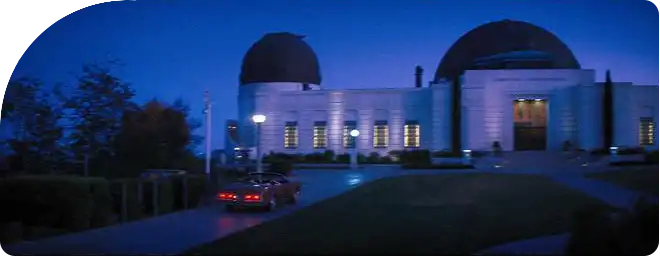
Perhaps this is what makes the blue hour so easy to recognize in things that were never made to represent it. snow dream by lmnl feels like something heard at the edge of evening — quiet, distant, and almost weightless, like a thought that has not yet become a memory. The purple Baby Suri Alpaca Sheer Knit P/O (Fig.1) by AURALEE carries that same softness in another form: its delicate texture and muted purple sit naturally somewhere between the fading colors of day and the deeper tones of night. A pearl necklace from Completedworks, A Parcel of Endless Time (Fig.2), feels more like a small object discovered than an ornament deliberately placed — a pale glimmer against the darker world around it, catching whatever light remains. Then there is Guerlain’s L’Heure Bleue (Fig.3), a fragrance created in 1912 and built around precisely this suspended moment, where violet, iris and warm vanilla meet the deep blue of evening. And finally, La La Land (Fig.4), perhaps one of the clearest cinematic expressions of the feeling: Los Angeles after sunset, blue-green nights, pink skies, streetlights and impossible dreams existing together for a few minutes before the light changes. None of these things are literally the blue hour, yet each seems to understand something about it — the softness, the romance, and the strange beauty of being caught between what has already ended and what has not yet begun.
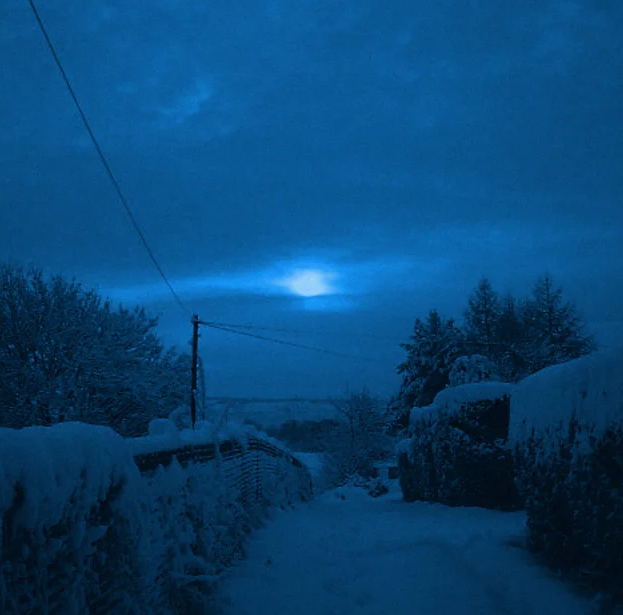



Some moments are difficult to hold onto. They arrive quietly, stay for only a little while, and disappear before we have quite decided what to do with them. L’heure bleue is one of those moments. It is less a time of day than a change in atmosphere — when colors become quieter, distances seem to soften, and ordinary things begin to take on a slightly different character. Perhaps that is why the blue hour has always felt so close to art: it does not ask to be understood, only noticed. A song heard through an open window, a sweater catching the last cool light of evening, a small piece of jewelry resting against the skin, the trace of perfume left behind after someone has passed, or a scene from a film that stays in your mind long after the credits — each can become part of the same fleeting mood. L’heure bleue is brief, but the feeling it leaves behind does not have to be.
There is something naturally melancholic about it, but not necessarily sad. It is the feeling of watching one thing end while another has not yet begun. You might be walking home after dinner, sitting alone beside a window, watching a city light up, or standing somewhere after everyone else has gone. For a few minutes, there is nowhere to rush toward. The world is simply blue.
A Snowy Evening ❄
A snowy evening begins when the world becomes quieter than usual. Snow falls slowly through the darkness, gathering on roads, rooftops, tree branches, parked cars, and the edges of windows. Streetlights create soft pools of amber against the white ground, while everything beyond them seems to dissolve into shadow. The usual sounds of a neighborhood become muffled: tires move more slowly, footsteps disappear almost as soon as they are made, and even distant traffic seems strangely far away. It might be a walk home through an empty street, a car moving along a country road, or a view through a warm window while snow continues falling outside. There is very little that needs to happen. The weather itself seems to create a pause.

The image of the snowy evening has a particularly strong place in American literary culture through Robert Frost’s Stopping by Woods on a Snowy Evening, published in 1923. In the poem, a traveler stops beside a frozen lake to watch the woods fill with snow on what he describes as “the darkest evening of the year.” The scene is beautiful and deeply peaceful, but the speaker cannot stay; he remembers that he still has promises to keep and miles to travel. The snowy evening therefore becomes more than a winter landscape. It is a moment when the outside world becomes quiet enough for someone to stop, look around, and briefly forget where they were going.
There is a particular loneliness in that pause, but it is not an unpleasant loneliness. It is the kind that allows you to hear your own thoughts more clearly. For a few minutes, the snow makes the world feel distant and almost weightless. You may want to remain there a little longer, even while knowing that eventually you have to continue.
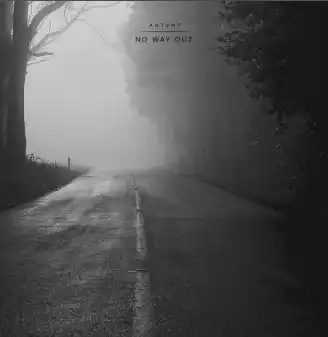
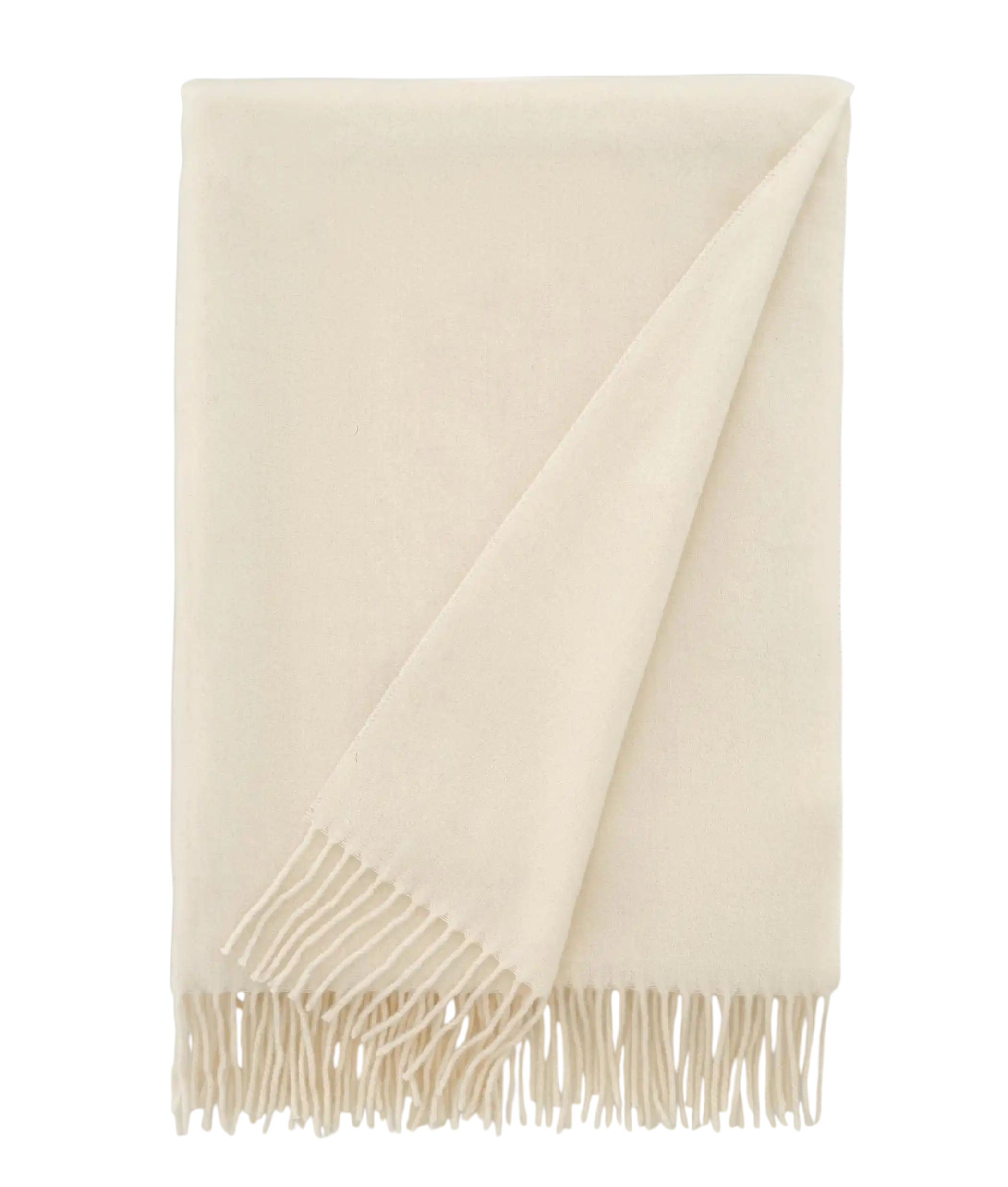

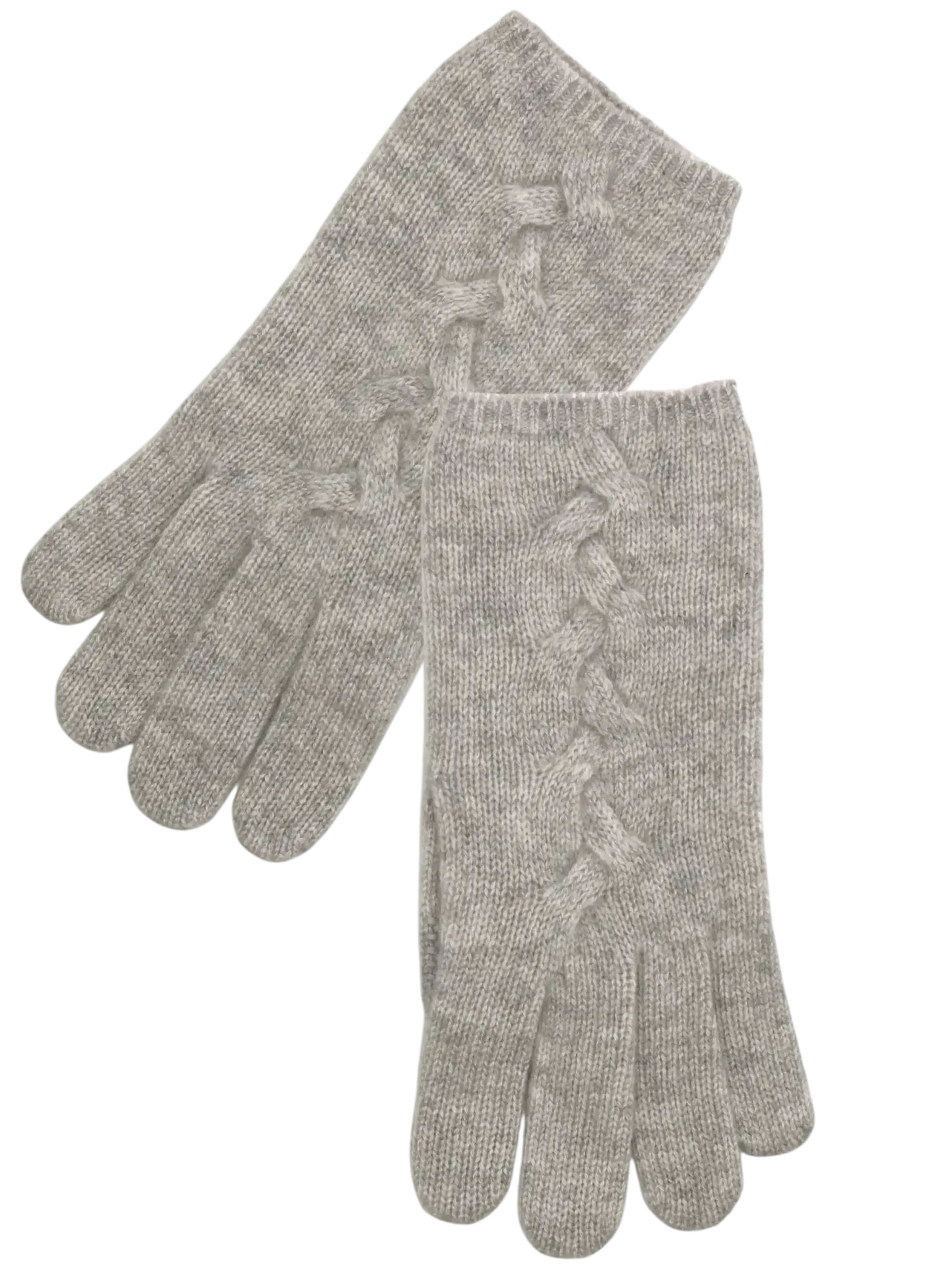

A snowy evening is best understood through the things that make the world feel quieter. The empty winter landscapes in I’m Thinking of Ending Things capture that silence visually — roads, fields, houses, and stretches of snow seem to exist almost without people, creating the feeling of being somewhere slightly removed from ordinary life. Antent’s no way out carries a similar sense of distance in sound, its subdued atmosphere feeling like something heard alone while the snow continues outside. Then there are the smaller sensations that make winter feel intimate: Portolano’s light grey cashmere tech gloves (Fig.6) suggest warmth held close to the body, soft against the cold while still belonging to the quiet, pale palette of a snowy street. Diptyque’s Feu de Bois (Fig.7) brings another kind of warmth into the scene, evoking burning wood and the dry, comforting atmosphere of a fireplace — the kind of scent that seems to make a cold room feel warmer before you have even reached the fire. And wrapped around everything is Aylin Koenig’s Charlie scarf (Fig.5), its soft white-grey tone and generous shape suggesting something pulled close on the walk home, watching I’m thinking of ending things (Fig.8) when the air is cold enough to make you want to disappear into your clothes for a while. Together, these things create a snowy evening not as a dramatic winter scene, but as a private moment of quiet: cold air outside, warmth held close, distant music, the smell of burning wood, and a world softened by snow.
윤슬 — Yoonseul
윤슬 (yoonseul) is a native Korean word describing exactly this phenomenon: small ripples of water sparkling in sunlight or moonlight. The National Institute of Korean Language identifies it as a native Korean expression rather than a Sino-Korean word, and notes that it has been included in the Standard Korean Language Dictionary since its first edition in 1999. The word is unusually precise because it does not simply mean “reflection” or “sparkling water.” It points to the relationship between light and the tiny movements of the water itself — the shifting fragments of brightness created when the surface moves.

That is what makes yoonseul feel like more than a description of scenery. It captures the moment when something beautiful catches your attention without asking you to do anything about it. You notice the light, follow it for a second, and then it has changed. The beauty exists precisely because it cannot be held still — a fleeting kind of wonder that belongs to the water, the light, and the particular moment in which you happened to see it.
Yoonseul appears when sunlight or moonlight meets moving water and breaks into hundreds of tiny flashes. On a lake in the late afternoon, the surface may look almost silver from a distance, but as you look closer, the light separates into countless trembling points that appear and disappear with every small movement of the water. Near sunset, the warmer light can turn them pale gold; beneath a high moon, they may look almost white. They are never completely still. A breeze changes their shape, a passing boat breaks them apart, and a single movement of the waves can make an entire patch of brightness vanish. You cannot really look at one piece of it for long enough to keep it. It keeps moving away from you.

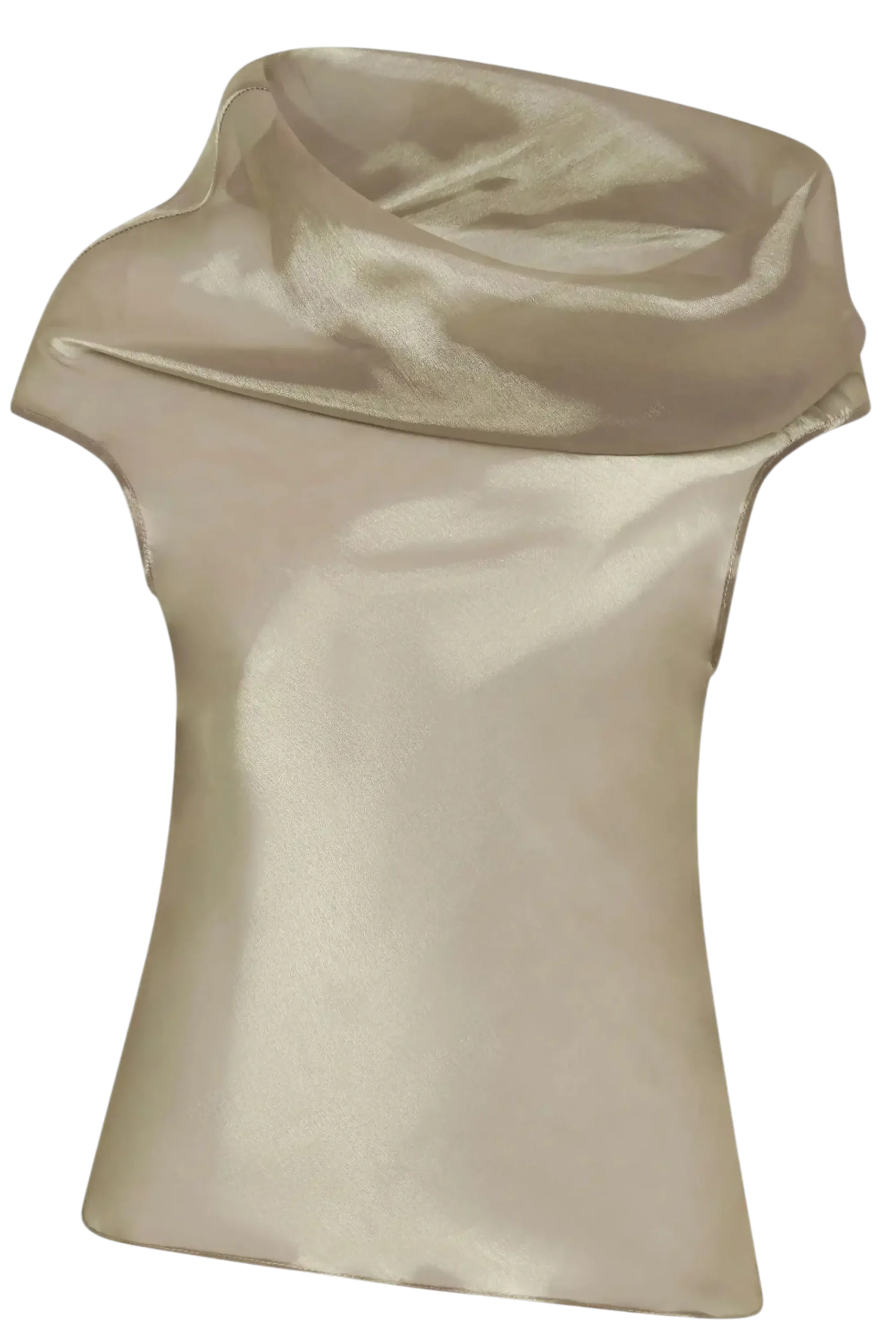

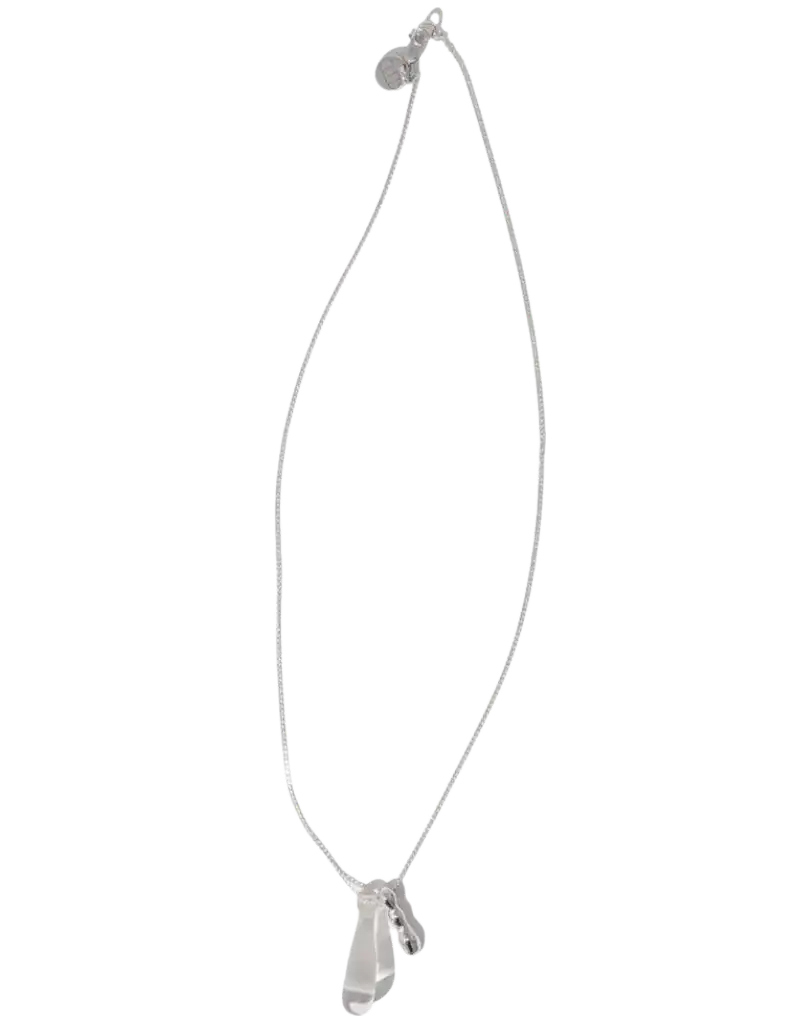

Perhaps yoonseul is best understood through things that never quite stay the same. Haux’s Calico carries a quiet, drifting melancholy, its soft atmosphere feeling like light moving across water rather than a melody trying to arrive somewhere. The CLED Drop Counts Necklace (Fig.10), with its hand-formed glass water drop and wavy metal pendant, turns that fleeting movement into something tangible — a single drop and ripple caught in a moment of reflected light. Bianca Spender’s Bronze Liquid Organza Drift Top (Fig.9)approaches the same feeling through fabric: its fluid, luminous material shifts with the body, changing subtly as it catches and releases the light, much like a lake whose surface never reflects the sky in quite the same way twice. Steamed Rainbow by D.S. & Durga (Fig.11) moves the idea into the air, evoking humid color, vapor, reflections, and the strange freshness of being somewhere near water after rain. And in Falcon Lake (Fig.12), the feeling returns to its original landscape — a quiet lake, shimmering under changing light, beautiful yet slightly mysterious, where the surface seems to conceal as much as it reveals. Together, they create a mood that feels unmistakably yoonseul: quiet, fluid, reflective, and fleeting — a small moment of brightness that catches your attention precisely because you know it will move away before you can hold onto it.
Sobremesa
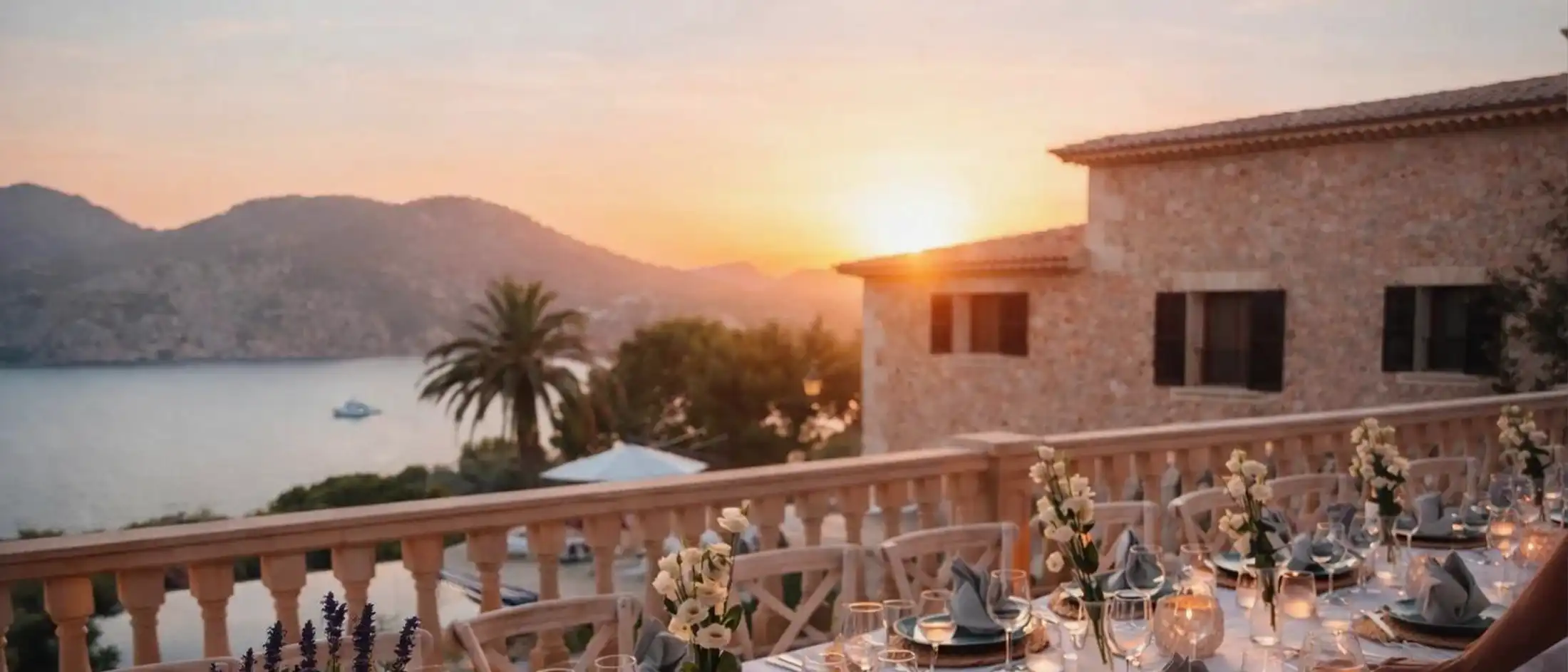
Sobremesa is a Spanish noun referring to the time spent at the table after eating. The Spanish dictionary defines it simply as the time one remains at the table after a meal, but the simplicity of the definition is part of what makes the word interesting: it describes something that many languages would need a whole sentence to explain. In Spanish-speaking cultures, the word is closely associated with lingering after meals, continuing conversations, drinking coffee or something else, and allowing a meal to become a social occasion rather than ending the moment the food disappears. The important part is not the food anymore. It is the decision to stay.
That is what makes yoonseul feel like more than a description of scenery. It captures the moment when something beautiful catches your attention without asking you to do anything about it. You notice the light, follow it for a second, and then it has changed. The beauty exists precisely because it cannot be held still — a fleeting kind of wonder that belongs to the water, the light, and the particular moment in which you happened to see it.
The meal is over, but nobody gets up. Empty plates remain on the table, glasses are still half full, and someone has started making coffee. The conversation that began over lunch has quietly moved somewhere else — from what everyone was eating to what happened last week, from practical things to old stories, gossip, memories, jokes, and subjects that were never planned. Outside, the afternoon continues, but at the table time seems to have become less important. Ten minutes turns into forty. Forty minutes becomes another hour. Nobody is staying because they have to. They are staying because there is no reason to leave yet.

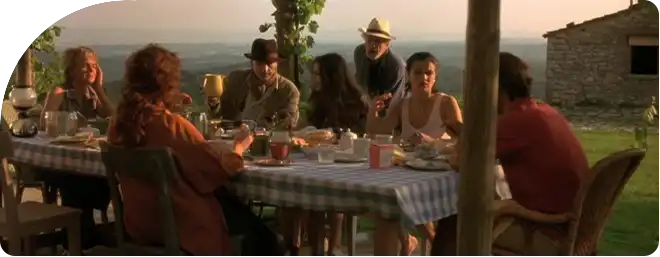
Sobremesa is therefore a mood of unhurried intimacy. It is the pleasure of having nowhere else to be, of allowing a conversation to wander without checking the time. It can happen after a family lunch, a long dinner with friends, or on a slow afternoon when the table becomes a place where time is allowed to stretch. In a world organized around schedules and the next appointment, sobremesa is the quiet luxury of not getting up.
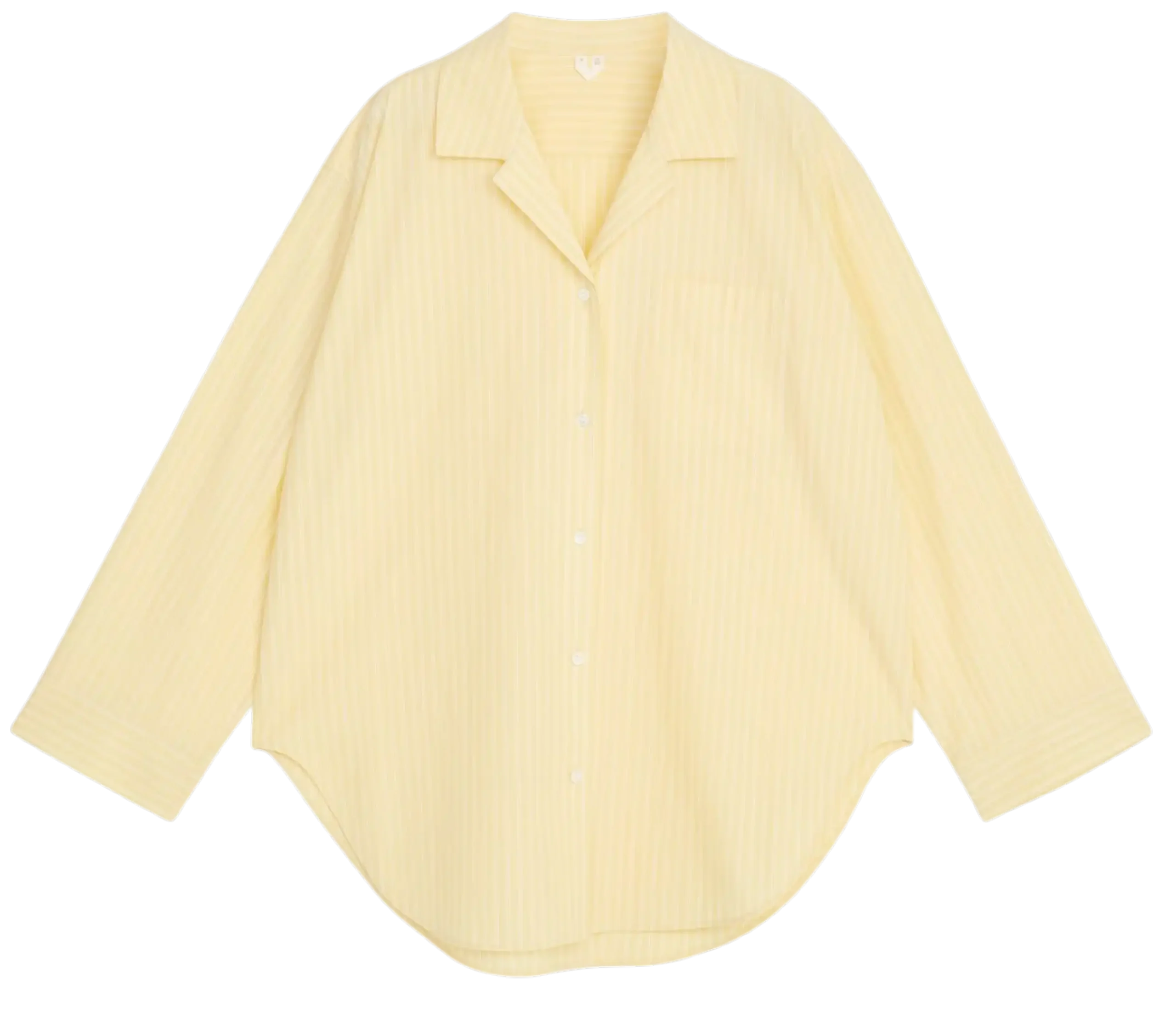
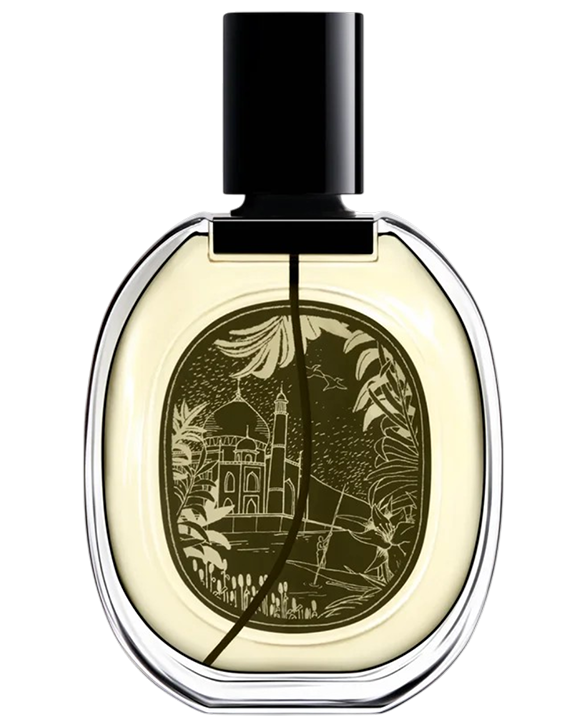
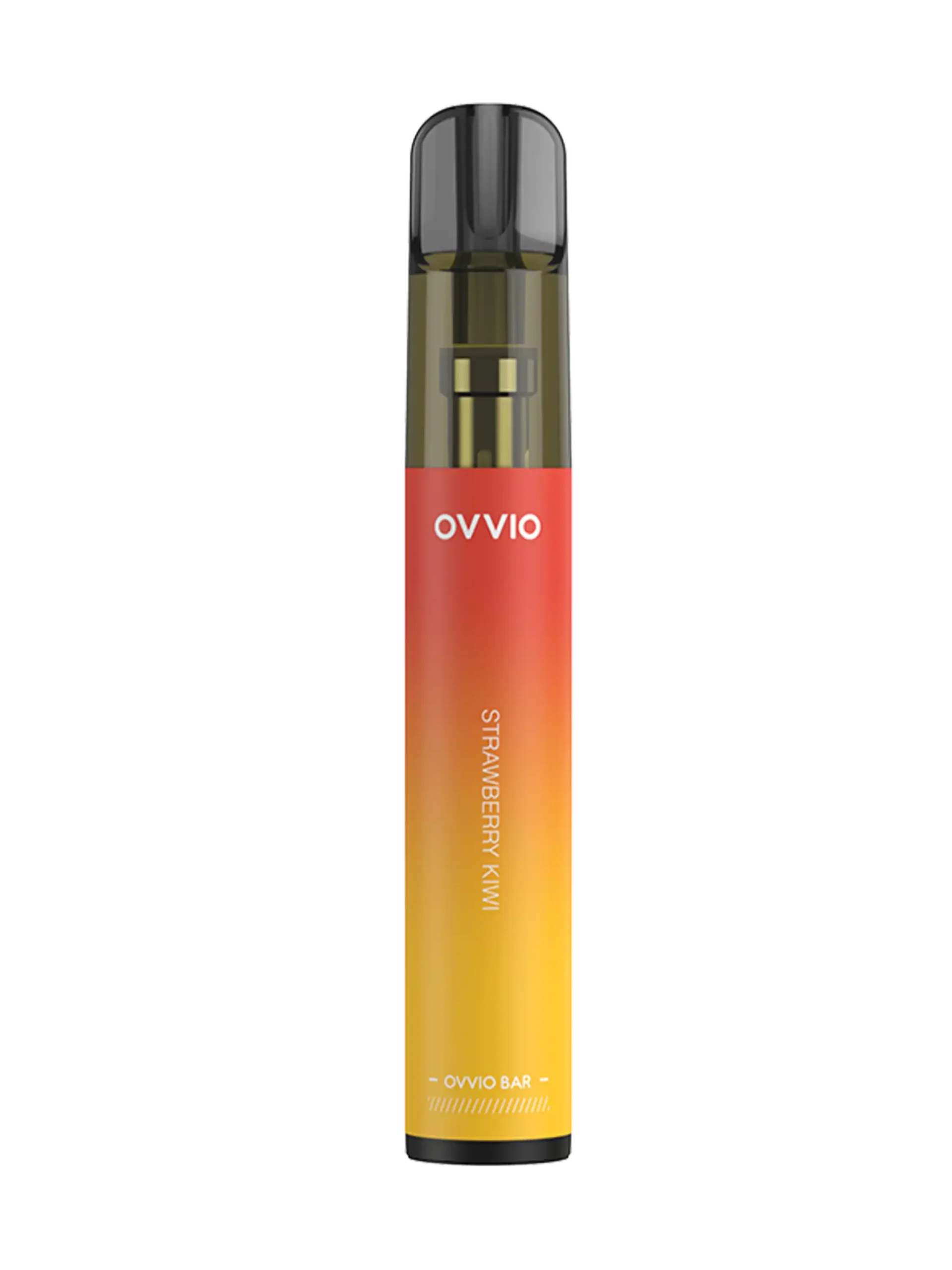
Sobremesa begins with the feeling that there is nowhere else you need to be. The ARKET Poplin Resort Shirt in yellow (Fig.13) brings an easy, sunlit quality to the scene — loose-fitting and simple, the kind of shirt that belongs to a long afternoon somewhere warm, worn without much thought and allowed to move with the breeze. Beside it sits the OVVIO Bar (Fig.14), its transparent vape tank and soft gradient finish introducing a small, contemporary object into an otherwise slow and tactile vaping world; compact enough to disappear into a pocket, yet visually playful enough to become part of the table. The atmosphere then shifts toward Italy with Stealing Beauty (Fig.16), Bernardo Bertolucci’s 1996 film, in which a young woman travels to Tuscany and finds herself surrounded by landscapes, art, desire, and the unhurried rhythms of summer. Diptyque Eau Duelle Eau de Parfum (Fig.15) adds another layer that cannot quite be seen: Bourbon vanilla warmed by pink peppercorn, luminous calamus, smoky cypriol, and incense, evoking the sensation of warm skin, old wood, spice, and air lingering after the afternoon has grown still. And underneath it all is Stacey Kent’s Breakfast on the Morning Tram, a gently swinging piece of vocal jazz that imagines a quiet morning moving through a waking city, with the mist gradually lifting from the windows. Together, these five choices create the world of Sobremesa: yellow fabric catching the afternoon light, a half-finished drink somewhere on the table, the faint sweetness of vanilla in the air, music playing without demanding attention, and a conversation that has long since stopped being about anything important. It is not really about the meal anymore. It is about staying at the table a little longer — letting the afternoon stretch, letting the light move, and enjoying the rare luxury of having no reason to leave.
雨宿り — Amayadori
雨宿り (amayadori) is a Japanese word meaning to temporarily take shelter from the rain, traditionally under places such as the eaves of a building. The Digital Daijisen dictionary defines it as taking temporary shelter to avoid the rain, and examples from Japanese literature show the word being used for people waiting beneath trees or beneath the eaves of buildings. The word itself is wonderfully literal: 雨 means rain, while 宿り carries the sense of lodging or taking shelter. Yet the simple act it describes creates a very particular kind of pause — an interruption that was not planned, but which temporarily removes you from whatever you were doing.
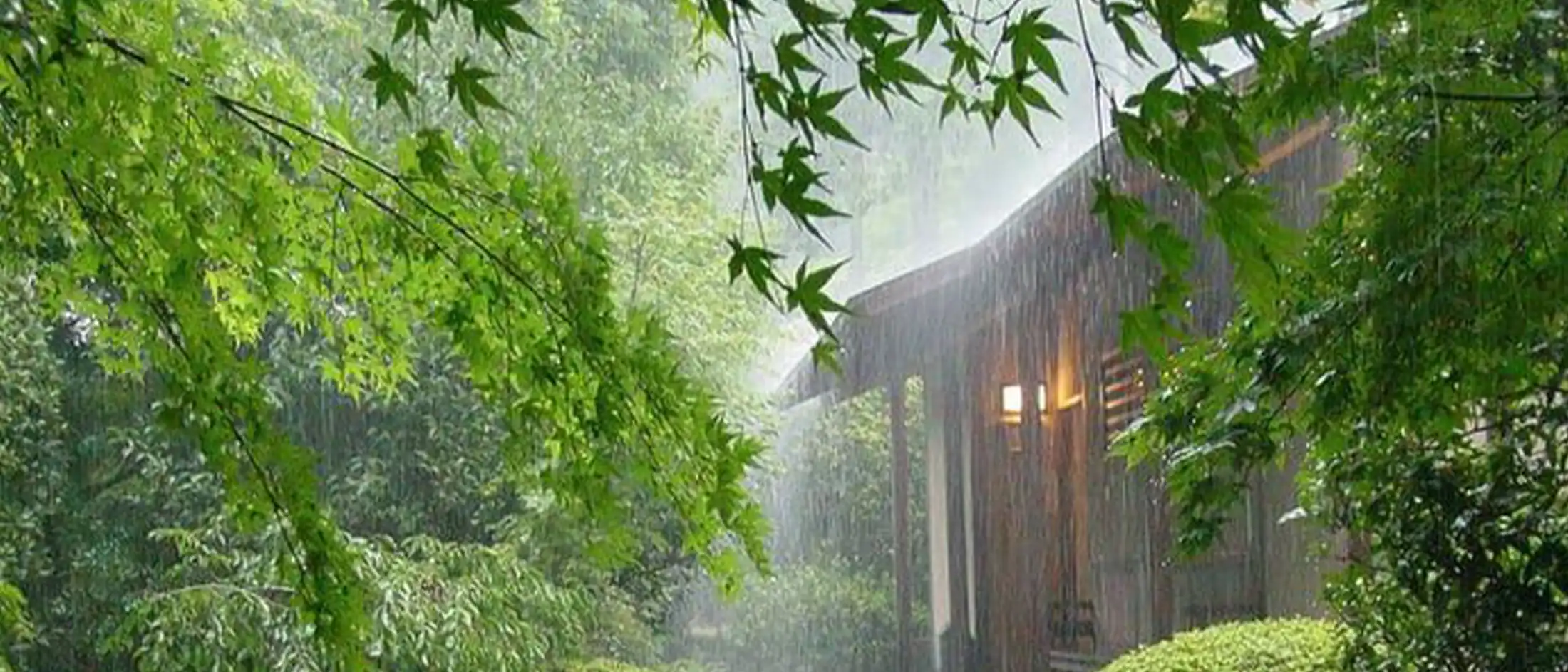
You are walking somewhere when the rain suddenly becomes too heavy to ignore. Perhaps you duck beneath the eaves of a small shop, stand under the roof of a train station, press yourself beneath the branches of a tree, or wait beneath an awning while people hurry past. The rain falls just beyond the edge of your shelter, forming a curtain between you and the street. You can hear water hitting the pavement, roofs, umbrellas, and gutters, but for the moment you do not need to move. You are not home, and you have not arrived where you were going. You are simply waiting for the weather to change.
That is what makes amayadori feel almost comforting. The rain has changed your plans, but for a few minutes you are allowed to stop without having to explain why. The street continues around you, people hurry toward their destinations, and you remain in your small dry space listening to the rain. It is an inconvenience that becomes a moment of stillness — a pause you never intended to take, but perhaps did not mind having.

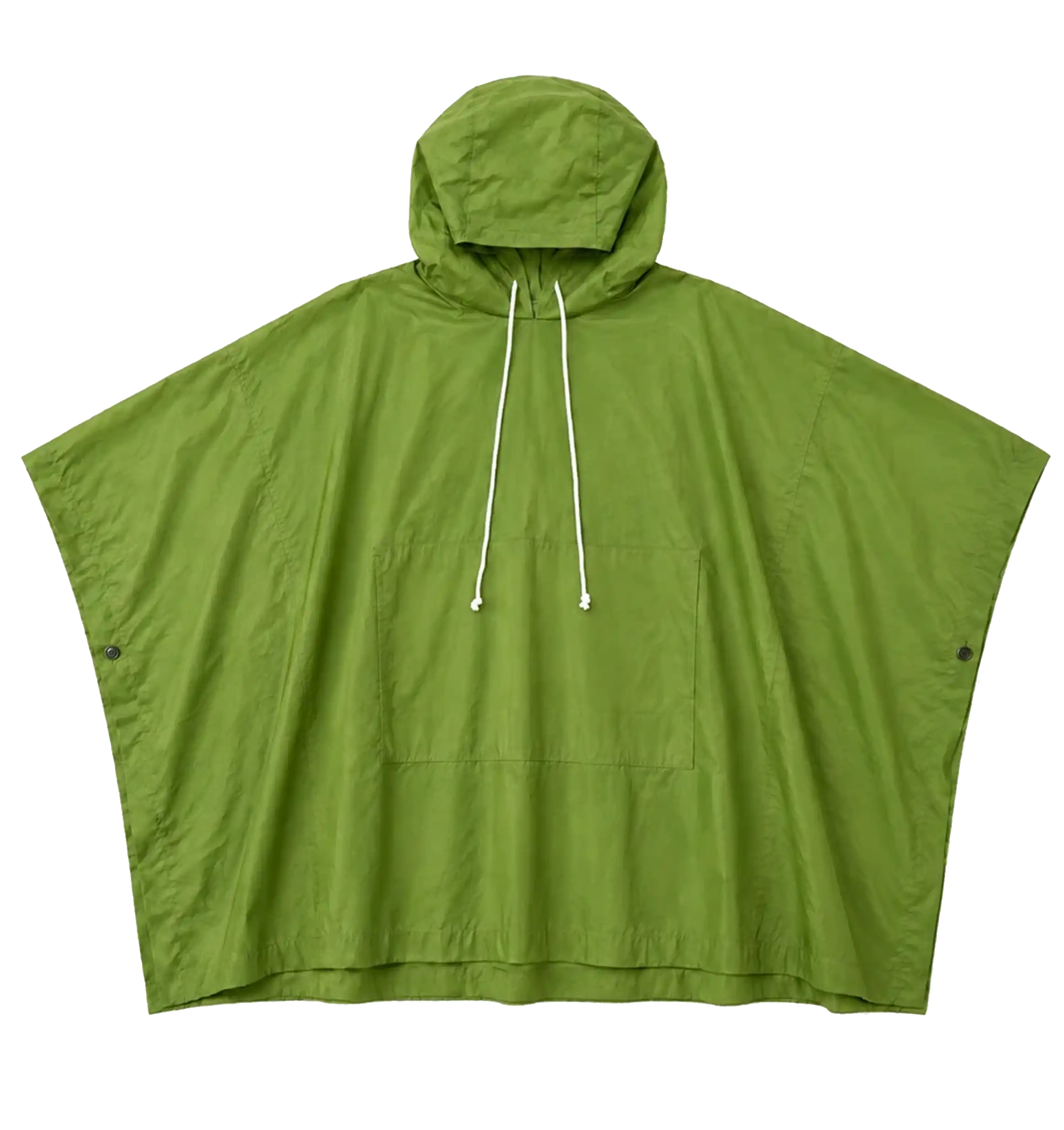
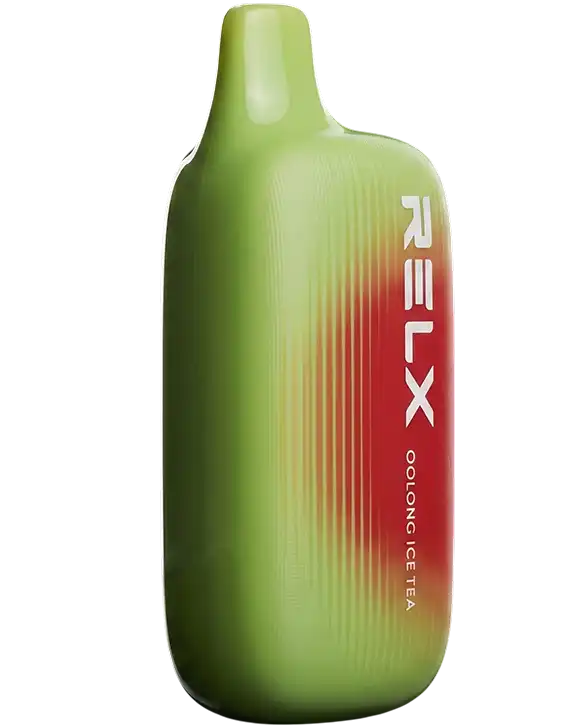
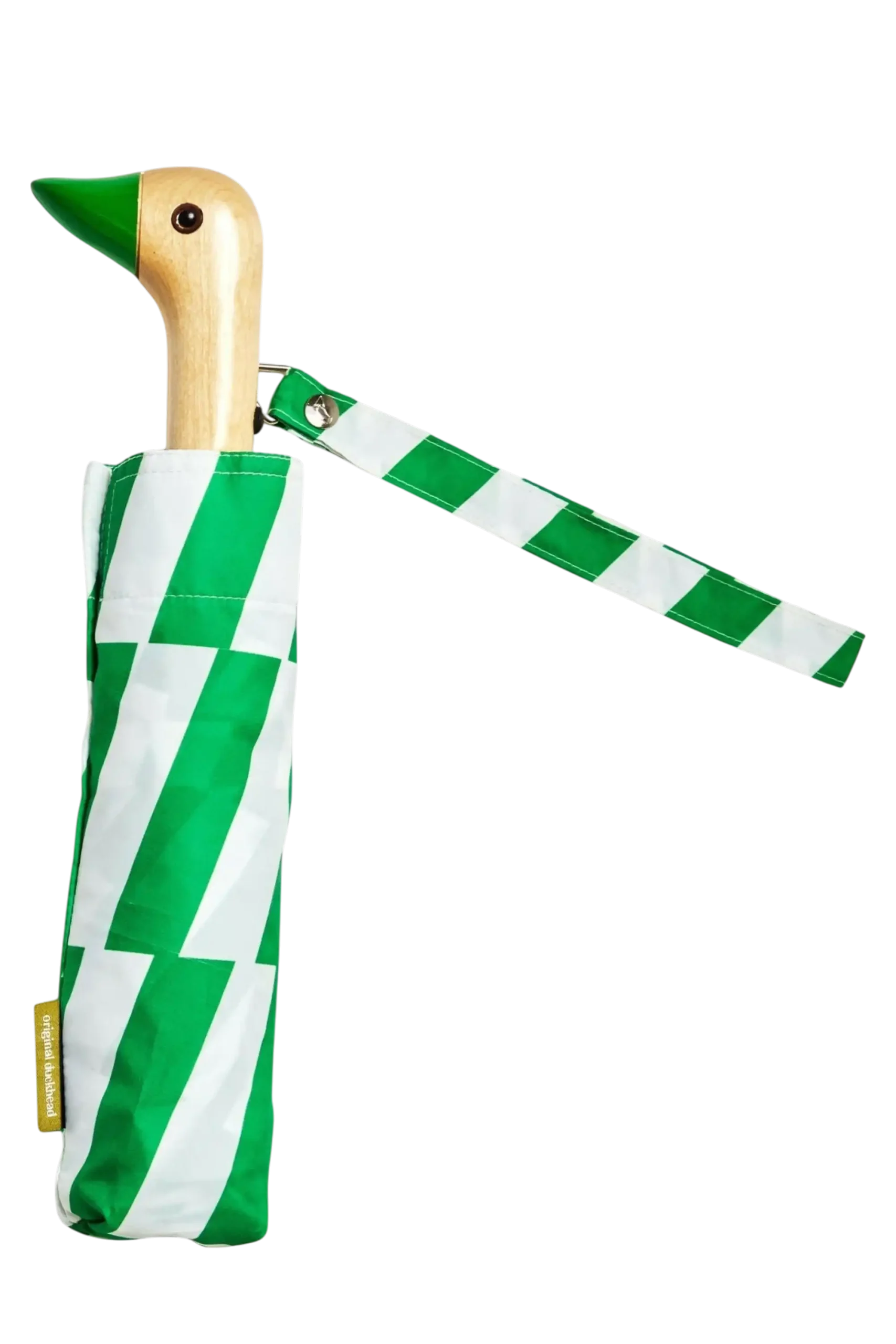
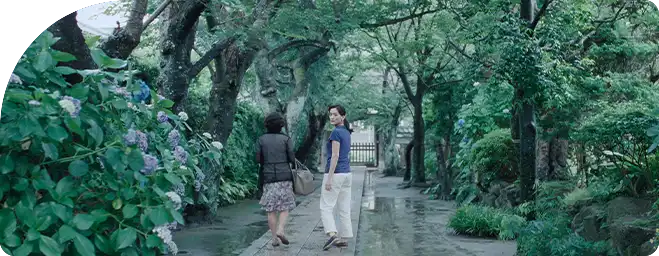
Rain begins without asking whether you are ready for it. A compact Original Duckhead Eco-Friendly Compact Duck Umbrella (Fig.18) becomes the first small act of resistance against the weather, its recycled rPET canopy and wooden handle turning something entirely practical into an object with a little personality. Over it, the Ali Golden Grass Green Poncho (Fig.17) brings the color of wet leaves and moss into the scene, with its oversized hood, relaxed shape, and coated cotton surface suggesting something made for moving slowly through a damp landscape. Tucked somewhere in that quiet moment is the RELX Nova 30K (Fig.19) — a distinctly contemporary object against an otherwise natural setting, compact and rechargeable, always ready for you whenever you feel like to relax. Then there is Our Little Sister (Fig.20), Hirokazu Kore-eda’s 2015 film set in Kamakura, where four sisters gradually build a shared everyday life through seasons, meals, houses, and small moments rather than dramatic gestures. Finally, the Japanese Ambient 1980s–90s playlist gives the scene its soundtrack: spacious, restrained, and almost weightless, the kind of music that seems to leave room for rain rather than compete with it. Together, these five choices describe Amayadori not simply as a rainy day, but as the strange little pause that rain creates — standing beneath a tree or a shelter, watching water gather on leaves, listening to the world become quieter for a while. You have not reached your destination, and you are not quite at home; you are simply somewhere in between, sheltered from the rain, with nowhere else you need to be for the moment.