USA
 Italy
 France
 UK
 Germany
 Japan
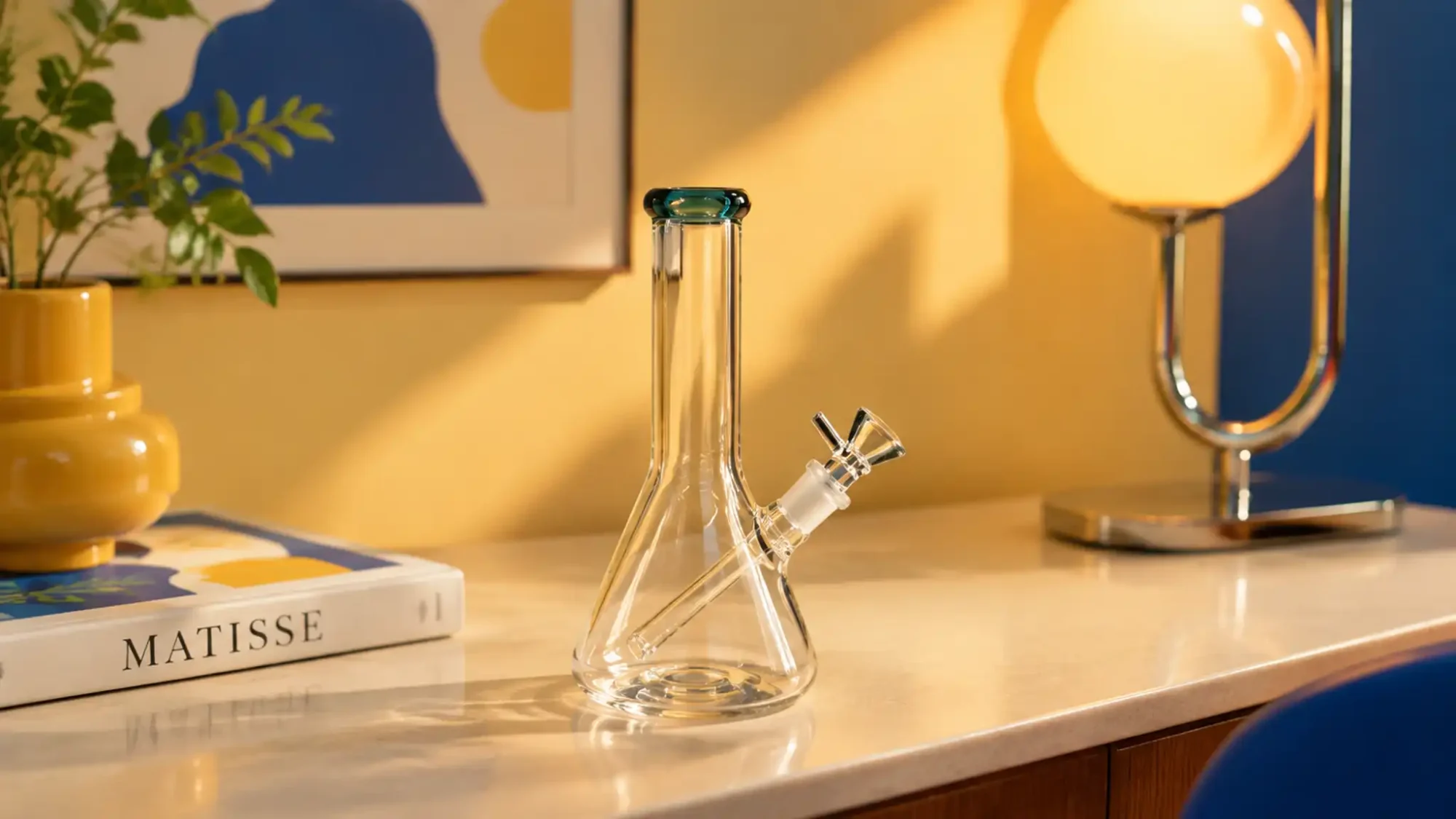
A glass bong may look simple at first glance, but understanding its shape, individual components, and maintenance requirements makes it much easier to choose and care for the right piece. Among the most recognizable designs is the beaker bong, a glass water pipe with a wide, flared base and a narrower neck. Its laboratory-inspired silhouette has become a familiar choice for people who appreciate clean glass construction and straightforward design.
In this guide, we will explore the anatomy of beaker-style glass bongs, introduce the GS Air Bong, explain its included components, and cover the essentials of setup, cleaning, and common accessories. Whether you are learning the terminology for the first time or comparing different types of glass water pipes, understanding these details is a useful starting point.
1. Understanding Beaker Bongs and Glass Water Pipes
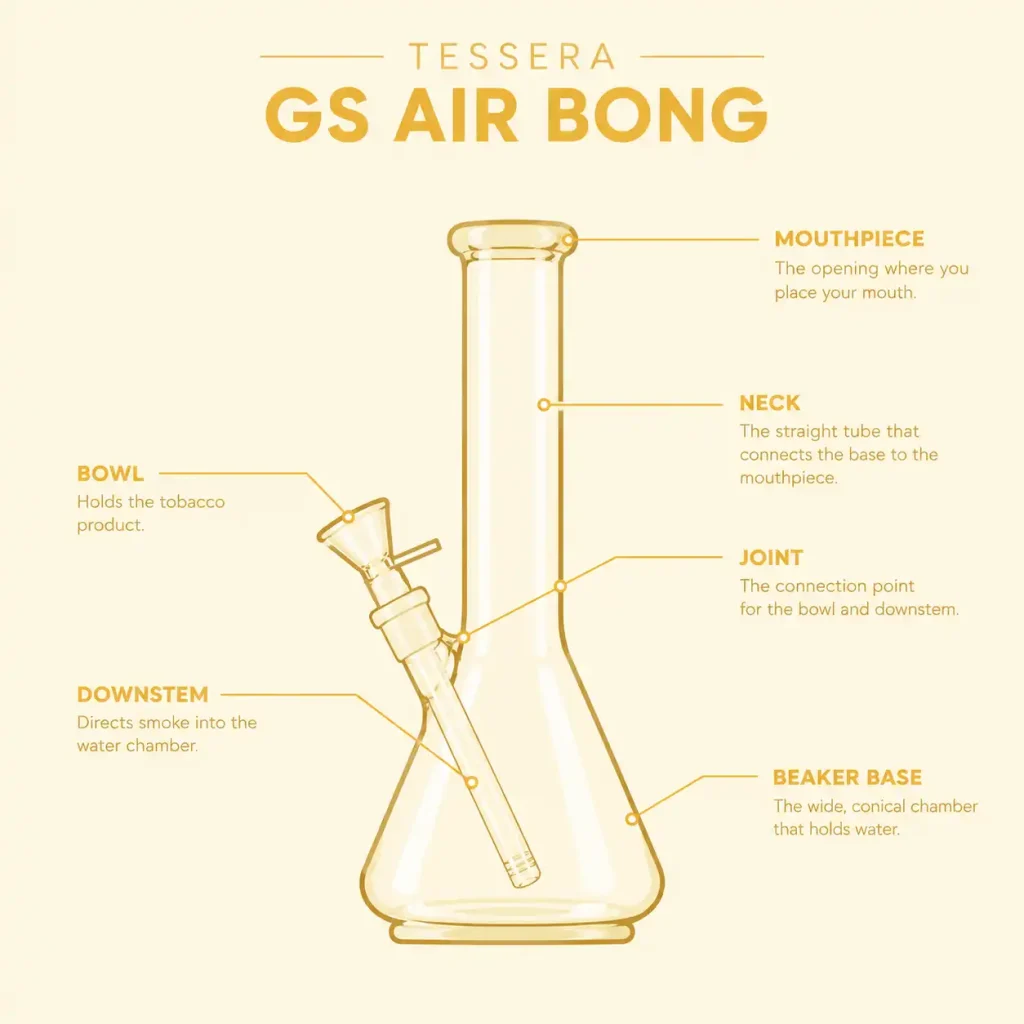
A bong is a type of water pipe that draws smoke through a water chamber before it reaches the mouthpiece. Glass is a popular material for these pieces because it allows the internal structure and water level to remain visible. Clear glass also makes it easier to inspect the chamber and identify residue that may need cleaning.
The beaker bong takes its name from its wide, conical lower chamber, which resembles a laboratory beaker. The shape transitions into a narrower neck and an open mouthpiece. Depending on the model, a downstem and bowl connect to the main body through a joint on the side.
Beaker designs are only one category within the wider glass water pipe market. Straight-tube bongs use a more uniform cylindrical body, while rounded-base designs feature a fuller, curved chamber. Some models also incorporate additional glass filtration structures known as percolators.
What Makes a Beaker Bong Different?
The most obvious distinction is the flared base. Its wider footprint gives the piece a grounded appearance and can help it stand securely on a level surface. The larger lower chamber also provides room for water, although actual capacity depends on the dimensions and internal design of the individual model.
Compared with a narrow straight-tube design, a beaker bong may occupy more shelf space and require more attention when cleaning its wider chamber. Its familiar shape, however, makes the main components relatively easy to recognize.
When comparing different base shapes, consider the overall dimensions, the stability of the complete piece, the accessibility of its joints, and how easily the glass can be cleaned. For a useful overview of these design differences, see Vitae Glass’s bong base shape guide.
Bong, Hookah, and Hookah Pipe: Are They the Same?
The terms bong, glass water pipe, hookah, and hookah pipe may appear in related product searches, but they do not always describe the same equipment.
A traditional hookah generally features a water jar, a stem, a tobacco bowl, and a hose or mouthpiece arrangement. A conventional glass bong is typically more compact and uses a chamber, downstem, and bowl. The exact structure varies by product, so the manufacturer’s description is the best reference when identifying a particular piece.
For example, the GS Air Bong has a beaker-shaped glass body, a downstem, and a separate glass bowl. Understanding these parts is more useful than relying on the word hookah alone to determine how the product is assembled.
2. Meet the GS Air Bong
The GS Air Bong combines a classic beaker-style silhouette with a clear glass construction. Its simple form makes the main components easy to identify, making it a useful example when learning about this category of glass water pipe.
According to the product information provided for this guide, the package includes the beaker-shaped glass body, one downstem, and one glass bowl. The accompanying instruction sheet identifies the bowl connection as a 14 mm male glass joint. Buyers should confirm the specifications of replacement components before purchasing, since similar-looking glass accessories are not necessarily interchangeable.
Product Overview
- Product: GS Air Bong
- Material: Glass
- Dimensions: The supplied instruction sheet lists a height of 200 mm and a diameter of 50 mm. Confirm these measurements against the current product listing before publication.
- Package contents: One beaker body with a downstem, and one glass bowl.
- Bowl connection: The instruction sheet specifies a 14 mm male glass bowl.
For current product photographs and listing information, visit the GS Air Bong product page on MYVAPOR.
Why the Shape Matters
The wide lower chamber and narrower upper neck create the recognizable beaker profile. The transparent body also allows the user to see the water chamber and inspect the glass during routine cleaning. Meanwhile, the separate bowl and downstem illustrate the modular construction found in many conventional glass bongs.
As with any glass accessory, the product should be handled carefully. Inspect the body and joints before use, place the piece on a stable surface, and avoid sudden temperature changes that could damage the glass.
3. Know the Main Parts Before First Use
Before setting up a glass bong, it helps to understand the names and functions of its main components. These terms are also useful when searching for compatible replacement parts or cleaning tools.
Beaker or Beaker Base
The beaker is the main glass body, including the broad lower chamber and the neck extending upward. It holds the water chamber and supports the other components. In product descriptions, the terms beaker, beaker body, and beaker base may be used depending on whether the writer is referring to the entire body or emphasizing its lower section.
Downstem
The downstem is the narrow tube that connects the bowl joint to the water chamber. On a conventional design with a downstem, one end fits into the body while the other connects to the bowl assembly. Its dimensions and joint style must match the glass body.
Glass Bowl or Glass Head
The glass bowl, sometimes called a glass head, is the small bowl-shaped component fitted to the joint. It is designed to hold the intended smoking material. Bowl size, joint gender, and joint diameter are important compatibility details when selecting a replacement.
Joint and Mouthpiece
A joint is the connection point between compatible glass components. Joints can vary in diameter, angle, and gender, so a component that looks similar may not fit correctly. The mouthpiece is the opening at the top of the neck where the user places their mouth.
Not every bong uses exactly the same arrangement. Some have fixed downstems, integrated bowls, or additional filtration chambers. Always refer to the specific product manual rather than assuming that every glass water pipe can be assembled in the same way.
4. A Beginner’s Guide to Setup and Care
The following timeline summarizes the main stages of preparing and maintaining a glass bong. The assembly and cleaning points reflect the GS Air Bong instruction sheet. For tobacco preparation and operation, follow the complete instructions supplied by the manufacturer and all applicable local requirements.
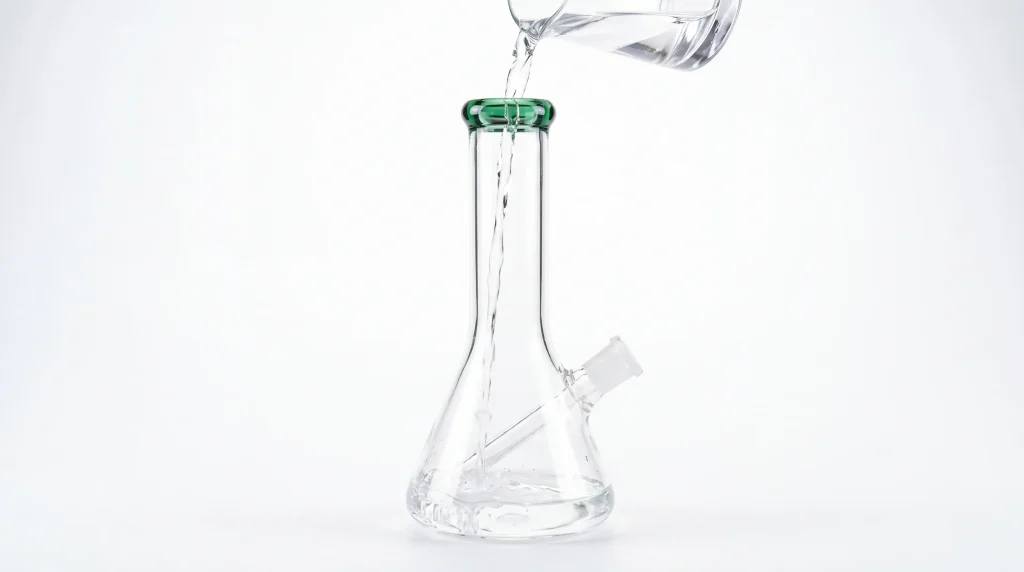
“`htmlStep 1 — Fill the Base with Water
Remove the glass bowl before filling the beaker base with clean water. The water level should be approximately 1 cm above the bottom of the downstem. Avoid overfilling, as excess water may splash into the mouthpiece during use.
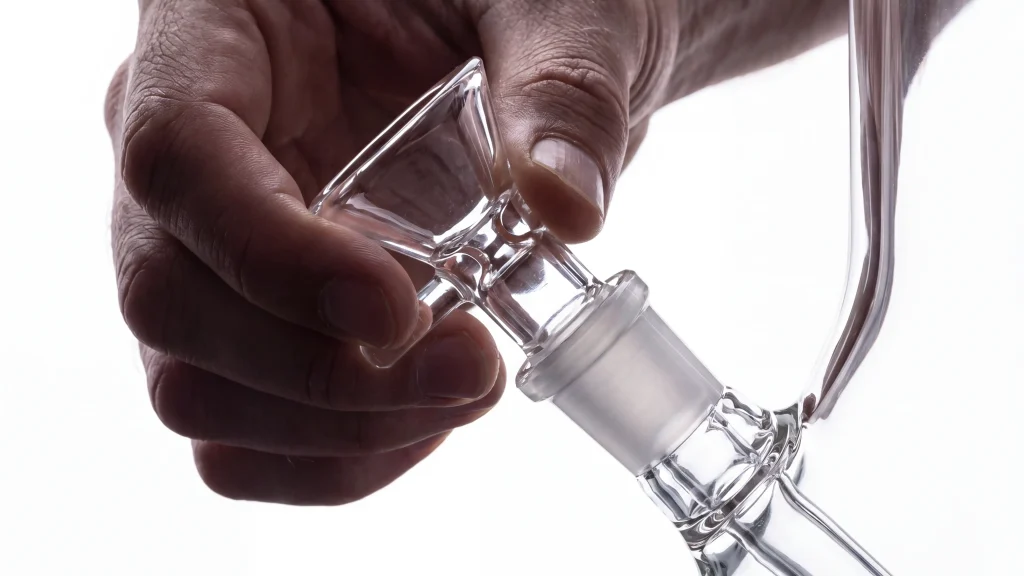
Step 2 — Insert the Glass Bowl
Carefully insert the compatible glass bowl into the female joint. For the GS Air Bong, the supplied instruction sheet specifies a 14 mm male glass bowl. Confirm compatibility with the current product specifications before assembly.
Handle the glass near the connection point and avoid forcing the joint into place. Check that the components fit securely and that the glass has no visible cracks or chips.
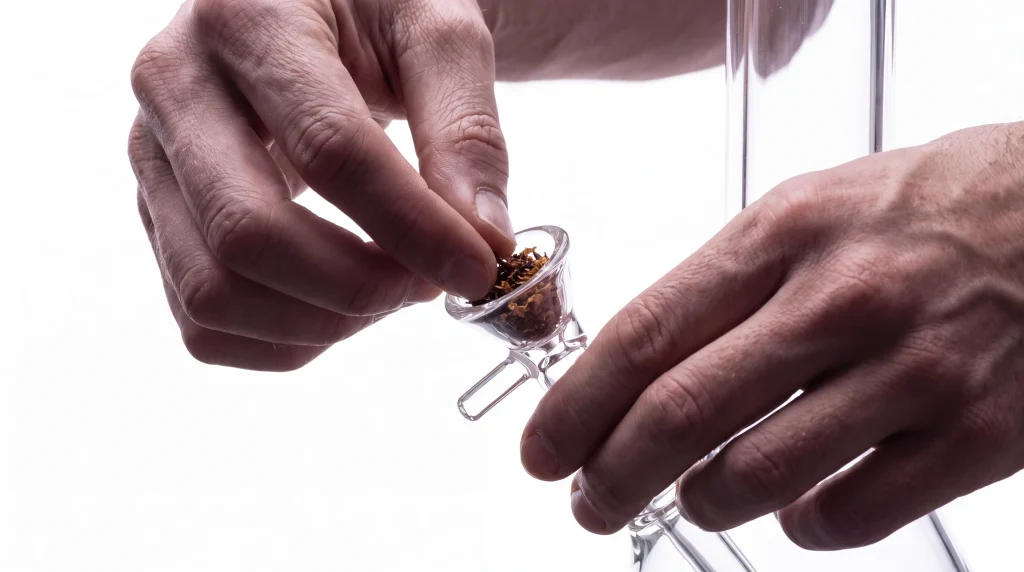
Step 3 — Prepare the Tobacco
Place a small amount of legal loose-leaf tobacco into the glass bowl, following the product instructions. Avoid overfilling or packing the material too tightly. Make sure the bong is stable before proceeding.
Step 4 — Position Yourself at the Mouthpiece
Place your lips comfortably around the mouthpiece to create a seal. Keep the glass bong upright on a stable, level surface, and ensure that the surrounding area is clear of flammable materials.
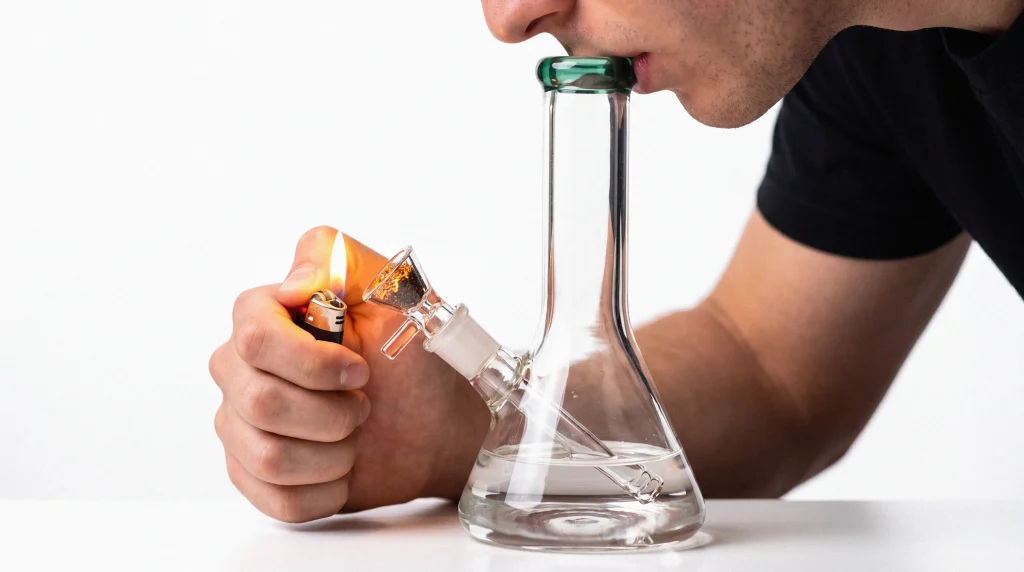
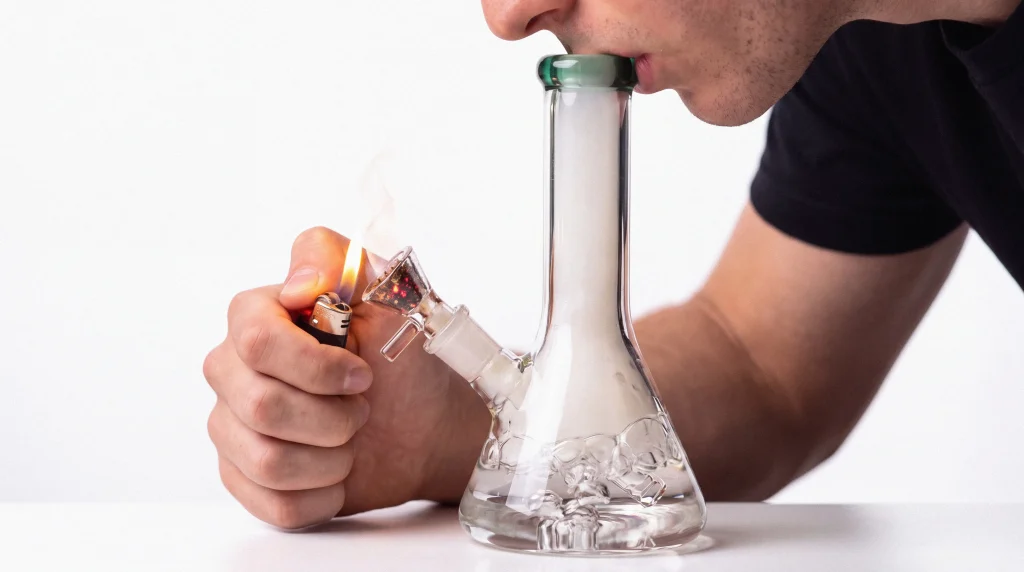
Step 5 — Use with Caution
Follow the manufacturer’s instructions for operating the product with legal tobacco. Exercise caution around open flames and heated components, and keep flames away from flammable materials. Never touch hot glass or attempt to disassemble components until they have cooled completely.
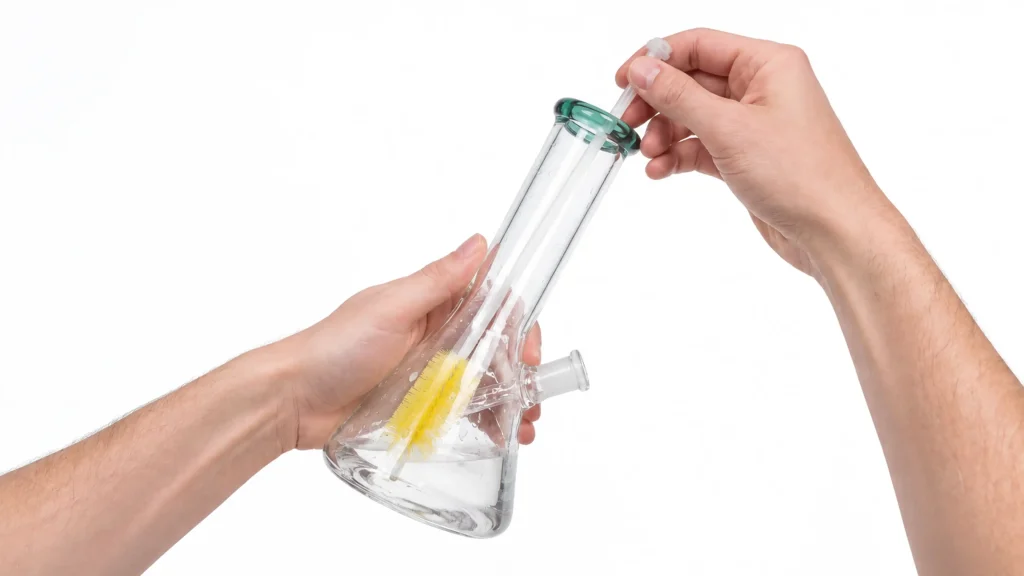
Step 6 — Clean the Glass Components
After use, allow heated components to cool completely before handling them. Empty the water and use a suitable cleaning brush to reach the inside of the glass chamber and accessible areas of removable components.
For periodic deep cleaning, follow the product’s cleaning instructions. If using isopropyl alcohol, keep it away from flames, sparks, and hot surfaces. Rinse all parts thoroughly after cleaning and ensure that no cleaning solution remains.
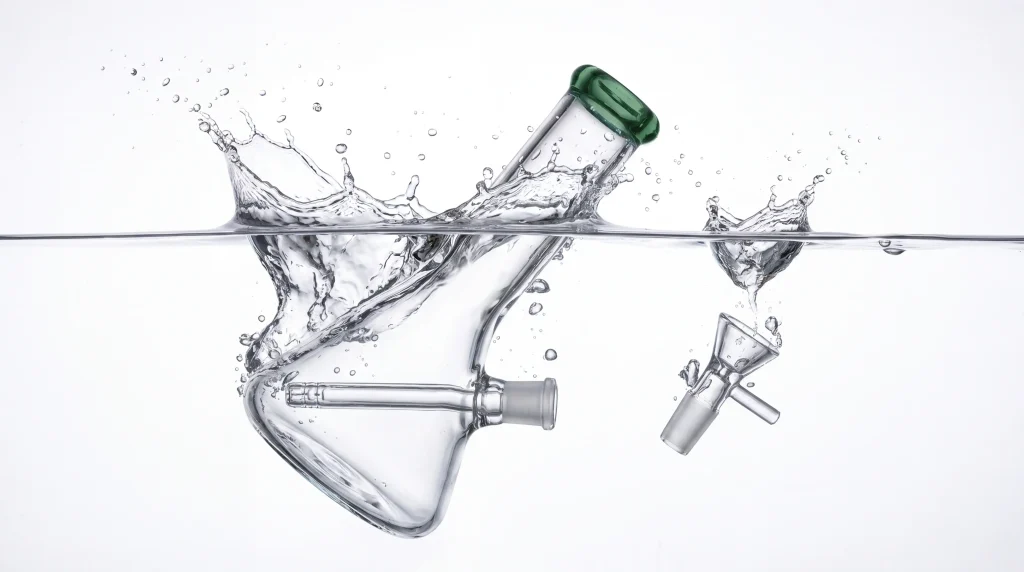
Step 7 — Rinse, Dry, and Store
Rinse all glass components thoroughly with clean water after cleaning. Allow every part to air-dry completely before reassembly or storage. Avoid sudden temperature changes, which can cause glass to crack.
Store the product in a clean, dry, secure location where the glass components are protected from impacts and accidental falls. Keep the product and its components out of reach of children and pets.
7. Choosing a Glass Bong: What Beginners Should Consider
When comparing glass bongs, begin with the overall shape and size. A beaker base has a broad footprint and a familiar silhouette, while a straight-tube design uses a narrower, more vertical profile. The best choice depends on available storage space, the dimensions of the piece, and how easily its components can be inspected and cleaned.
Next, look at the construction. Check the listed material, the quality and condition of the joints, whether the downstem is removable, and whether replacement bowls are readily available. If a product includes a glass percolator or additional attachments, look for a clear explanation of their structure rather than assuming all glass bongs have the same internal design.
Compatibility is especially important when purchasing accessories. Joint diameter, joint gender, angle, downstem length, and the overall weight of an attachment can all affect whether a component fits properly. Always verify the specifications before ordering.
The GS Air Bong is a useful example of a straightforward beaker-style glass water pipe, with a main glass body, and bowl identified in its supplied documentation. Review the current product listing for the latest specifications and package details.
8. Frequently Asked Questions
What is a beaker bong?
A beaker bong is a glass water pipe with a wide, flared lower chamber and a narrower neck. Its shape resembles a laboratory beaker and is one of the most recognizable designs in the glass bong category.
Is a bong the same as a hookah pipe?
Not necessarily. A traditional hookah typically uses a stem, water jar, tobacco bowl, and hose or mouthpiece arrangement. A conventional beaker bong generally uses a glass chamber, downstem, and bowl. Product terminology can vary, so check the specific product’s structure and instructions.
What does a glass percolator do?
A glass percolator is a glass structure designed to divide airflow into smaller streams or bubbles as it passes through water. Percolator designs vary, and a separate percolator should not be assumed to be present unless it is identified in the product specifications.
How should I choose a replacement bowl or downstem?
Confirm the joint diameter, gender, angle, and component dimensions before purchasing. For GS Air Bong, the supplied instruction sheet specifies a 14 mm male glass bowl. Verify compatibility with the current product listing or supplier before ordering a replacement.
Final Thoughts
Learning about glass bongs starts with understanding their shape, parts, and care requirements. A beaker-style design is easy to recognize by its broad lower chamber, while components such as the downstem, glass bowl, and joint determine how the individual piece is assembled.
The GS Air Bong provides a concrete example of this familiar design. By checking its supplied specifications, following the product-specific instructions, cleaning the glass carefully, and verifying accessory compatibility, users can make more informed decisions about the equipment they choose and maintain.