USA
 Italy
 France
 UK
 Germany
 Japan
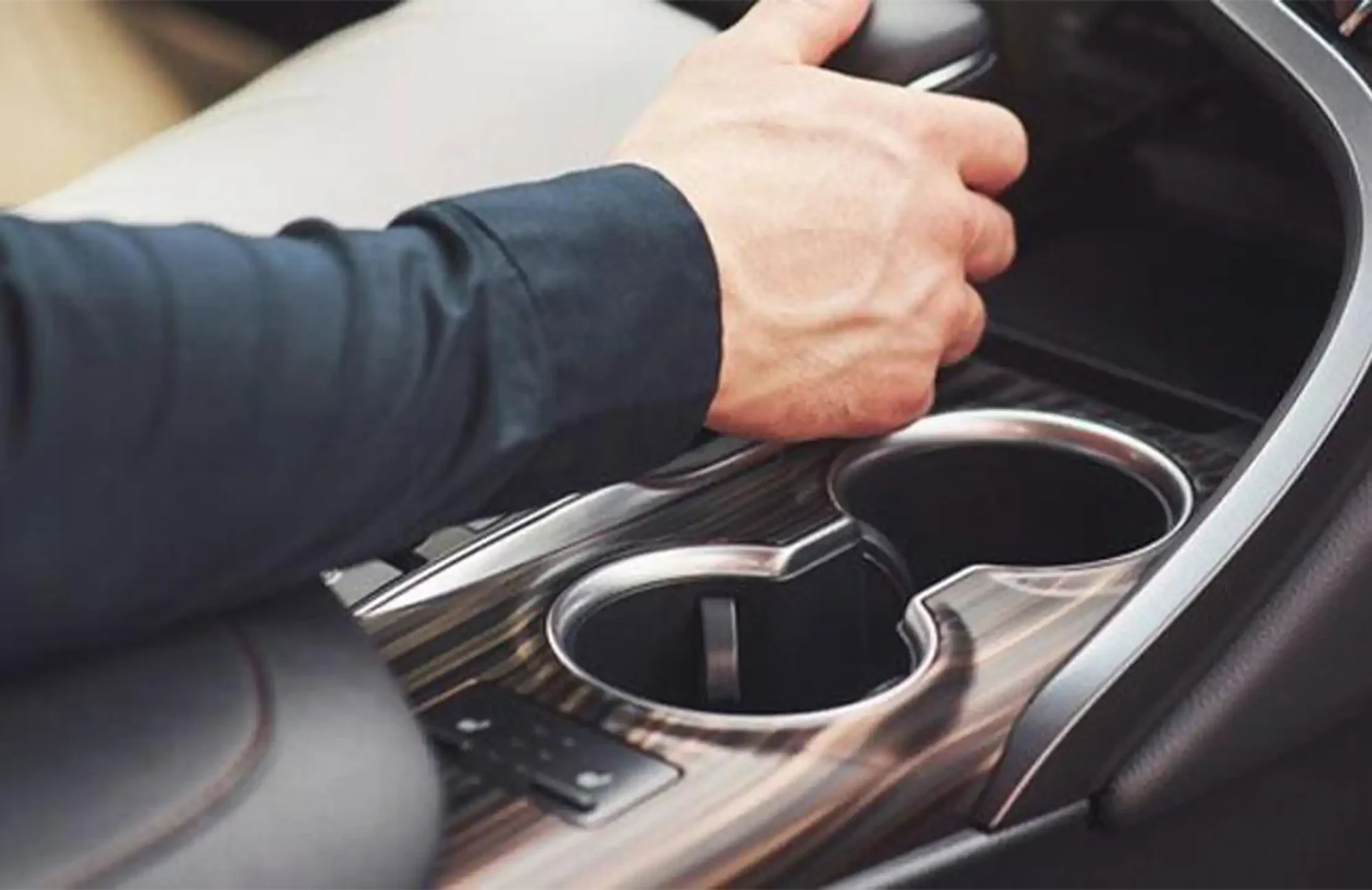
For hookah enthusiasts, portability is about more than choosing a smaller base. A proper grab-and-go setup should be easy to pack, straightforward to assemble, stable during use and practical to clean afterwards. Whether you call it a hookah, shisha or chicha, the best travel-friendly option depends on how you plan to use it, from a weekend away to a compact setup at home.
In this guide, we compare five portable hookah options for 2026, including three electric systems and two traditional shishas. We will look at materials, heating methods, dimensions and car-cup-holder compatibility, while separating verified product specifications from broader market trends.
Traditional Hookah vs E-HOOKAH: Market Trends
What Do Traditional Hookah Sales Tell Us?
Traditional hookahs remain an established part of the shisha market, but global retail unit sales are difficult to quantify reliably. Public research often groups hookah devices, tobacco, accessories and lounge services into different market categories, making headline revenue figures unsuitable as a direct measure of how many pipes consumers actually purchase.
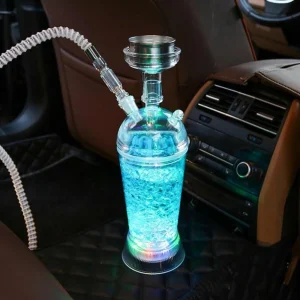
For a more defensible view of the category, published research can help explain patterns of use without pretending to measure device sales. A systematic review in PLOS ONE examined waterpipe tobacco prevalence and trends across multiple countries, highlighting substantial regional differences and gaps in comparable data. These findings describe use, not annual hookah sales.
The E-HOOKAH Trend: What Is Changing?
Electric hookah systems introduce a different approach to heat management. Rather than relying on glowing charcoal, they use electrically controlled heating to warm the material inside the chamber. Some systems are designed for traditional shisha blends, while others use proprietary flavour capsules or electronic aerosol technology. These categories should not be treated as interchangeable.
There is growing product innovation around automated temperature control, removable batteries and simplified assembly, but a reliable, like-for-like series of global E-HOOKAH unit sales is not publicly established. Brand specifications can demonstrate how the category is evolving; they do not, by themselves, prove a particular growth rate in consumer demand.
Traditional Hookah vs E-HOOKAH at a Glance
| Feature | Traditional Hookah | E-Hookah |
|---|---|---|
| Heating | Typically uses charcoal to heat the shisha tobacco. | Uses an electric heating system, depending on the model. |
| Packing | Often involves a bowl, charcoal, and additional accessories. | May simplify the setup by integrating heating components. |
| Preparation | Requires charcoal preparation and heat management. | Usually requires charging or a power source and a warm-up period. |
| Portability | Depends on the size of the hookah and the number of accessories. | Some models are designed with integrated components for easier transport. |
| Key consideration | Traditional preparation, charcoal handling, and ventilation requirements. | Battery life, charging needs, heating performance, and device maintenance. |
Neither format should automatically be described as harmless. Removing charcoal eliminates charcoal combustion, but it does not establish that inhaling the resulting aerosol is risk-free. The World Health Organization’s waterpipe tobacco fact sheet explains the health concerns associated with traditional waterpipe tobacco smoking.
Common hookah materials include aluminum alloys, stainless steel, borosilicate glass, acrylic (polymethyl methacrylate, or PMMA), and silicone rubber, each offering a different balance of weight, durability, and design flexibility. Aluminum alloy 6061 has a typical density of 2.70 g/cm³, while 304 stainless steel is approximately 7.9–8.0 g/cm³, making aluminum substantially lighter for the same solid volume. Borosilicate glass typically has a density of around 2.23 g/cm³, while PMMA acrylic is approximately 1.18 g/cm³. Silicone rubber commonly falls around 1.1–1.3 g/cm³, depending on its formulation. These figures describe the raw materials rather than finished hookah components: for example, a solid 10 cm³ piece would weigh approximately 27 g in 6061 aluminum, 79–80 g in stainless steel, 22.3 g in borosilicate glass, 11.8 g in PMMA, or 11–13 g in silicone rubber. Actual component weight depends on its volume, wall thickness, internal cavities, and additional fittings. In practical terms, aluminum is a strong candidate for lightweight structural parts, stainless steel suits durable connectors and stems, PMMA can reduce the weight and breakage risk of a travel-oriented water chamber, borosilicate glass offers clarity but requires protection against impact, and silicone is useful for flexible hoses and seals. For material data, refer to MatWeb’s 6061 aluminum datasheet, its borosilicate glass data, and AZoM’s materials reference library.
5 Portable Hookahs to Check Out in 2026
The following shortlist covers different approaches to portability rather than claiming a laboratory-tested ranking. Three electric systems offer alternatives to charcoal-based heating, while two compact traditional models retain the familiar shisha setup. Specifications below are taken from the manufacturers’ published product information.
1. RYKOAL GO — A Car-Ready 12V Hookah System
RYKOAL GO is designed around flexible power options, making it a particularly relevant candidate for anyone researching a car-ready hookah. Its product brochure describes a 12V vehicle-power connection and a removable battery base, allowing the system to operate from the vehicle supply or as a standalone unit.
The brochure lists a maximum power of 60W, a warm-up time of approximately 10 minutes and battery operation of up to 3.5 hours. These figures are manufacturer-provided specifications rather than independently verified test results. Its actual suitability for a particular car depends on the base dimensions, cup-holder depth and stability.
Best for: Buyers interested in a dedicated car-oriented electric hookah system.
Product information: Refer to the RYKOAL GO product brochure supplied with this article’s source materials. Confirm the official sales URL and cup-holder measurements with the manufacturer before publishing a purchase link.
2. e-Hookah P1 — Automated Electric Shisha
The e-Hookah P1 focuses on an integrated, automated experience. Its manufacturer lists a 500 ml water tank, a 3.2 kg weight without water and dimensions of 15.1 × 15.1 × 25.3 cm. The system supports battery and wired operation, with a stated battery life of up to 150 minutes and a warm-up time of around 10 minutes.
The P1’s compact footprint and shatter-resistant tank are practical considerations for transport, although its weight makes it less of an ultralight travel device. It also uses a dedicated flavour system, so check capsule availability and regional compatibility before purchasing.
Best for: Users who value an integrated electric setup and automated operation.
3. ENSŌ 2026 Edition — Premium Electric Heating
The ENSŌ 2026 Edition combines adjustable electric heating with a removable 5,000 mAh battery. The official specifications list a temperature range of 180–330°C, a body measuring approximately 33 × 12 cm and a weight of 2.55 kg. The manufacturer gives a typical runtime of around 90–120 minutes per charge, depending on settings.
Its updated glass top, magnetic stainless-steel mouthpiece and wider hose give the design a more considered, premium feel. Although the system avoids charcoal, its glass components still need protection when packed, and its battery runtime should be matched to the length of the intended session.
Best for: Buyers looking for a premium, temperature-controlled electric shisha.
4. ODUMAN N2 Travel — Compact Traditional Shisha
The ODUMAN N2 Travel takes a traditional approach to portability, pairing a handmade glass base with stainless-steel components and a protective travel bag. The manufacturer highlights its water-resistant, easy-to-clean bag, food-grade silicone hose and diffuser.
This is a strong option for shisha enthusiasts who prefer a conventional bowl and charcoal-based heat-management setup. The trade-off is that the glass base requires careful packing, and the bowl, heat-management device and charcoal add more equipment than an all-electric system.
Best for: Traditional shisha enthusiasts who want a compact setup with dedicated travel protection.
5. Yimi NIX Silver — Mini Hookah with a Travel Bag
The Yimi NIX Silver Premium Package is built around a compact 8 cm diameter and a height of 21.5 cm. Its manufacturer lists 304 stainless-steel components and a 5 mm-thick acrylic water tank, alongside a travel bag with separate accessory compartments.

The small footprint makes it easier to pack than many full-sized traditional pipes, while the acrylic reservoir reduces the concern about a glass base breaking during transport. However, the complete setup weighs more than the dimensions alone might suggest, and the Premium Package still requires traditional heat-management accessories.
Best for: Travellers who want a mini traditional hookah rather than an electric replacement.
Portable Hookah Specifications Compared
| Model | Type | Published Specifications | Portability Consideration |
|---|---|---|---|
| RYKOAL GO | 12V car-powered portable system | 60W maximum power; approximately 10-minute preheat; battery base runtime up to 3.5 hours, according to the supplied brochure. | Designed around vehicle power and a removable battery base. Confirm the exact model and specifications with the manufacturer before publication. |
| e-Hookah P1 | Electric hookah | 15.1 × 15.1 × 25.3 cm; 3.2 kg; 500 ml water tank; approximately 10-minute warm-up. | Compact dimensions, although its 3.2 kg weight is worth considering for frequent travel. |
| ENSŌ 2026 Edition | Electric heat-management hookah system | 5,000 mAh removable battery; 33 × 12 cm; 2.55 kg; approximately 90–120 minutes of runtime. | Removable battery and integrated heating system; runtime depends on operating conditions. |
| ODUMAN N2 Travel | Traditional portable hookah | Approximately 20 cm high; 11.5 × 11.5 cm footprint; 1.7 kg. | Small footprint and travel bag; charcoal and other accessories still need to be considered. |
| Yimi NIX Silver Premium Package | Traditional mini hookah | 8 cm diameter; 21.5 cm high; stainless steel components; 5 mm acrylic tank. | Narrow profile and included travel bag make packing easier. |
How to Choose a Travel-Friendly Hookah
The right portable hookah depends on the balance you want between familiar shisha preparation and convenient electric heating. Before making a decision, check the complete packed dimensions, weight, base stability, cleaning requirements and availability of compatible accessories. For electric models, battery runtime and charging requirements deserve the same attention as the heating system itself.
If you are searching in different European markets, you may also come across terms such as chicha portable in France, tragbare Shisha in Germany, shisha portátil in Spain and портативный кальян in Russia. These describe similar search intent, but product specifications and local rules should always be checked in the relevant market.
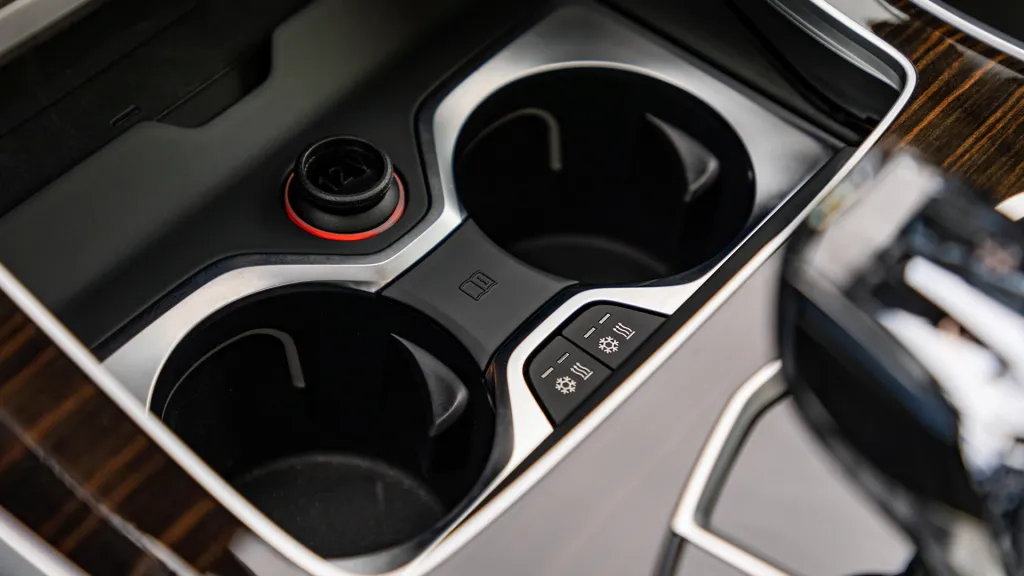
For car use, measure the cup-holder opening and depth rather than relying on a generic fit claim. Never operate a hookah while driving, and use heated equipment only in an appropriate, stationary setting. Finally, remember that portability describes convenience, not health risk: electric heating and charcoal-free operation do not make inhaled aerosol harmless.
FAQ
Q1 What is the difference between a portable hookah and an E-HOOKAH?
A portable hookah is any hookah designed to be easier to carry, store or assemble. An E-HOOKAH uses an electric heating or aerosol system, depending on the product, that is to say, there is a certain overlap between them. Some electric systems heat shisha material, while others use dedicated flavour capsules, so check the manufacturer’s specifications before comparing them.
Q2 Can a portable hookah fit in a car cup holder?
Some compact models are designed with car use in mind, but there is no universal cup-holder size. Cup holders typically measure around 76 mm (or 2.5-3.5 inch) in diameter in the US and 70–72 mm in the UK, Germany, and Russia, although dimensions vary by vehicle model. For broader compatibility, your hookah base should ideally be less than 70 mm in diameter, with fit confirmed through real-vehicle testing. Compare the diameter and insertion depth of the base with your vehicle’s actual cup holder, and check that the setup remains stable. A cup-holder fit does not mean the device should be used while driving.
Q3 Is a charcoal-free electric hookah risk-free?
No. Electric heating can remove the need to burn charcoal, but that alone does not establish that inhaling the resulting aerosol is harmless. The material being heated and the device’s design both matter. For health context, consult the WHO’s waterpipe tobacco smoking and health fact sheet.