USA
 Italy
 France
 UK
 Germany
 Japan
1. Why Is the 18650 Battery Still Everywhere in Vaping?
If you have spent any time looking at box mods, chances are you have come across the 18650 battery. It has powered everything from compact single-battery mods to high-wattage dual-battery setups, and it remains one of the most familiar battery formats in vaping.
But why this particular size? And with newer battery formats available, is the 18650 still worth choosing?
The short answer is that it hits a practical sweet spot. An 18650 rechargeable battery is compact enough to fit into a relatively small mod, while offering a useful balance of capacity, current capability, and availability. Manufacturers have built countless devices around it, and experienced vapers already know how to choose, carry, charge, and replace these cells.
That established ecosystem matters. A replaceable-battery mod lets you carry a compatible spare instead of waiting for a built-in battery to recharge. When the cell eventually loses capacity, you may be able to replace the battery without replacing the entire device.
Still, an 18650 is not automatically the longest-lasting or most powerful option. Battery performance depends on the exact cell, the power demands of the device, and how the battery is used and maintained. The number printed on the wrapper tells you the size, not the whole story.
What Do Different Battery Size Names Mean?
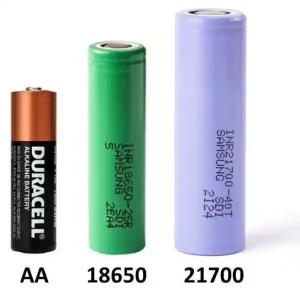
The names of cylindrical batteries can tell you something about their physical size, but they do not necessarily tell you what is inside or whether the battery can be recharged. For example, 18650 is a dimensional code widely used for cylindrical lithium-ion cells, while AA and AAA are traditional standardized battery size designations. These naming systems developed through different industry conventions, rather than representing two fundamentally different battery shapes.
In the 18650 code, “18” refers to an approximate diameter of 18 mm, “65” indicates a length of about 65.0 mm, and “0” traditionally identifies the cylindrical format. Other lithium-ion cell formats use similar codes. However, size alone cannot tell you a cell’s capacity, discharge rating, chemical composition, or compatibility with a particular device.
| Battery type | Naming and approximate size | Typical chemistry and rechargeability | Common applications | Main characteristics |
|---|---|---|---|---|
| 18650 | Dimensional code: about 18 mm in diameter × 65 mm long | Typically rechargeable lithium-ion, with lithium-containing cathode materials and a graphite-based anode in many models | Compatible vape mods, flashlights, power tools, laptops, and battery packs | Supports repeated charging under specified conditions. Capacity, discharge capability, and service life vary by model. |
| 14500 | Dimensional code: about 14 mm in diameter × 50 mm long | Usually rechargeable lithium-ion; other chemistries and specifications depend on the product | Compact flashlights and small devices specifically designed for this cell | Similar in size to AA, but typical lithium-ion versions have a much higher nominal voltage. They are not automatically interchangeable with AA batteries. |
| 18350 | Dimensional code: about 18 mm in diameter × 35 mm long | Typically rechargeable lithium-ion | Compact flashlights and selected small electronic devices | Shorter than an 18650, making it useful where space is limited. Its smaller size generally limits the amount of energy it can store compared with similar 18650 cells. |
| 21700 | Dimensional code: about 21 mm in diameter × 70 mm long | Typically rechargeable lithium-ion | Compatible vape mods, power tools, high-performance flashlights, electric vehicles, and battery packs | Its larger dimensions can allow greater energy storage than many 18650 cells, although actual performance depends on the cell model. |
| 26650 | Dimensional code: about 26 mm in diameter × 65 mm long | Commonly rechargeable lithium-based cells, depending on the specific model | Larger flashlights, selected power equipment, and specialist battery packs | Wider than an 18650 and potentially capable of storing more energy, but requires a device designed for its dimensions and electrical specifications. |
| AA | Traditional size designation: about 14.5 mm in diameter × 50.5 mm long | Often disposable alkaline, using zinc and manganese dioxide. Rechargeable AA versions, such as NiMH, are also available. | Remote controls, toys, wireless mice, and household electronics | Common alkaline versions have a nominal voltage of about 1.5 V and are normally replaced when depleted. Rechargeable versions have different chemistries and charging requirements. |
| AAA | Traditional size designation: about 10.5 mm in diameter × 44.5 mm long | Often disposable alkaline, using zinc and manganese dioxide. Rechargeable NiMH and other versions also exist. | TV remotes, wireless accessories, compact toys, and other small electronics | Smaller than AA and generally stores less energy per cell. Whether it can be recharged depends on its chemistry and product specifications. |
Why Are Some Batteries Recharged While Others Are Replaced?
The key difference is not the naming system or the cylindrical shape. It is the battery’s chemistry and whether its internal reactions are designed to be reversible.
In a typical disposable alkaline AA or AAA battery, discharge consumes the available reactants through chemical reactions that are not intended to be reversed by ordinary charging. Attempting to recharge a disposable alkaline battery can cause leakage, gas buildup, or rupture. That is why these batteries are normally replaced when depleted.
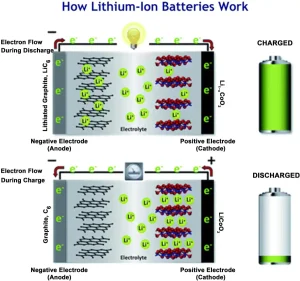
A typical 18650 lithium-ion cell is designed for repeated charge and discharge cycles. During use, lithium ions move between the electrodes; charging supplies energy to drive them back in the opposite direction. This process can be repeated many times, although aging gradually reduces the cell’s capacity and performance.
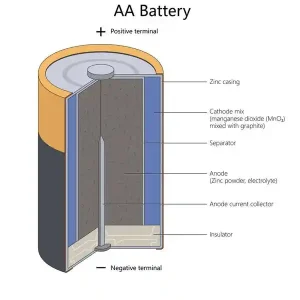
AA and AAA are size designations, not chemical categories. Rechargeable AA batteries, including nickel-metal hydride (NiMH) cells, are widely available. Similarly, 18650 identifies a cell format rather than a single chemistry or performance level.
Important: Never choose a replacement battery based on size alone. Check the device manufacturer’s requirements for battery chemistry, voltage, discharge rating, and physical dimensions. A lithium-ion cell that resembles a household battery may have a much higher voltage and can damage equipment that is not designed for it.
2. 18650 vs 21700: Which Battery Actually Lasts Longer?
The 21700 vs 18650 debate usually comes down to a straightforward trade-off: size versus the potential for greater capacity and current capability.
A 21700 cell is approximately 21mm in diameter and 70mm long, making it larger than an 18650. That extra space can allow a manufacturer to design a cell with more energy storage or higher discharge capability, depending on the model. But a larger battery is not automatically better in every situation.
| Feature | 18650 Battery | 21700 Battery |
|---|---|---|
| Approximate size | 18 × 65mm | 21 × 70mm |
| Device compatibility | Mods designed for 18650 cells | Mods designed for 21700 cells |
| Capacity potential | Varies by cell model | Often higher in comparable modern cells |
| Discharge capability | Depends on the specific cell | Depends on the specific cell |
| Portability | Smaller and easier to fit into compact mods | Larger, requiring more space |
| Interchangeability | Not interchangeable with 21700 by default | Not interchangeable with 18650 by default |
Does a 21700 battery last longer?
It can, but the answer depends on what you mean by “last longer.”
If you mean runtime between charges, a 21700 cell with a higher usable energy capacity may keep a compatible mod running longer under comparable conditions. However, wattage, coil resistance, vaping frequency, device efficiency, and the battery’s discharge characteristics all affect real-world runtime.
If you mean service life over months or years, the size alone tells you very little. Both 18650 and 21700 cells gradually lose capacity through use and aging. Cell quality, temperature, charging practices, and operating conditions all play a part.
When does an 18650 still make sense?
An 18650 remains a practical choice if you prefer a compact mod, already own compatible batteries, or want a replacement cell that is widely used across many devices.
A 21700-compatible mod may be worth considering if you are comfortable with a larger device and want to explore the capacity or output options offered by particular 21700 cells.
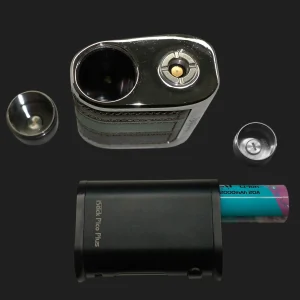
The key point is simple: compare actual battery specifications, not just the numbers in the name. Neither format is automatically the winner, and you must never force a different battery size into a device that was not designed for it.
Is an 18650 rechargeable battery more durable?
Not inherently. Battery durability depends on the particular cell and how it is treated. An 18650 from a reputable manufacturer may provide reliable service, but a poorly made or unsuitable cell can perform badly regardless of its size.
Also, do not confuse a replaceable battery with an indestructible one. A removable cell makes replacement convenient; it does not prevent normal battery aging or eliminate the need for safe handling.
3. Choosing and Caring for an 18650 Battery
Avoid exposing batteries to high temperatures, extremely low temperatures, or humid environments. If you will not be using your vape mod for an extended period, remove the battery and store it separately in a cool, dry place. Picking an 18650 battery for an e-cigarette involves more than searching for a high mAh number. Capacity matters, but the cell must also meet the device’s electrical requirements.
Capacity vs. continuous discharge current
Capacity is usually expressed in milliamp-hours (mAh). In broad terms, it describes how much charge a battery can store. A higher-capacity cell may offer longer runtime under comparable conditions, but capacity alone does not tell you whether the cell can safely supply the current your mod needs.
Continuous discharge current is another important specification. It indicates the current a cell is rated to deliver continuously under specified conditions. The battery’s rating must be appropriate for the device and its operating power.
For example, ELEAF specifies a high-rate 18650 cell with a continuous discharge current above 25A for its original iStick Pico. That requirement applies to that device’s documented specifications; it should not be treated as a universal requirement for every mod.
Be cautious about exaggerated ratings on battery wrappers. Independent battery testing resources, including E-Cigarette Forum’s index of 18650 battery tests and Vaping360’s 18650 battery guide, can help you research real-world performance instead of relying on marketing claims alone.
Do you need an 18650 battery charger?
A dedicated 18650 battery charger can be useful if you use removable cells regularly. It allows you to charge a compatible battery separately from the mod and can make it easier to manage spare cells.
However, not every charger is suitable for every cell. Use a reputable charger that supports the battery type and follow the cell and device manufacturers’ instructions. Do not assume that a charger is compatible simply because the battery fits into its slot.
Some mods also support USB-C charging. For example, the ELEAF iStick Pico Plus and Pico LE list 5V/2A USB-C charging. Follow the relevant manual when deciding whether to charge in the device or use an external charger.
What about carrying spare batteries?
This is one of the practical advantages of a replaceable-battery mod, but spare cells need proper protection. Carry each battery in a dedicated protective case. Never leave loose cells in a pocket or bag with coins, keys, or other metal objects that could bridge the terminals and cause a short circuit.
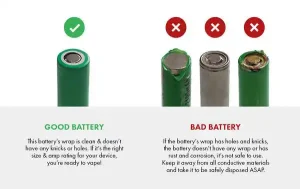
Check the outer wrapper and insulating ring regularly. If the wrapper is torn, the cell is dented, or you notice leakage or other damage, stop using it. Do not try to make a damaged battery usable again by simply covering up the problem without proper assessment.
How long should an 18650 battery last?
There is no reliable one-size-fits-all lifespan. The number of charge cycles a cell can deliver depends on its chemistry, quality, temperature, depth of discharge, charging conditions, and operating load.
Instead of replacing every cell after an arbitrary number of months, pay attention to changes in performance and condition. A noticeable drop in runtime, unexpected voltage sag, physical damage, or unusual heating can indicate that a battery needs to be taken out of service.
4. Four Vape Mods That Use Replaceable 18650 Batteries
If you are comparing devices, start with the battery format and the way you intend to use the mod. A compact 75W device and a 100W mod have different design priorities, so there is no single setup that suits everyone.
1. ELEAF iStick Pico Plus
The ELEAF iStick Pico Plus is a compact single-18650 mod that retains the familiar Pico screw-cap battery design. It offers adjustable output from 1W to 75W, USB-C charging at 5V/2A, and compatibility with tanks up to 25mm in diameter.
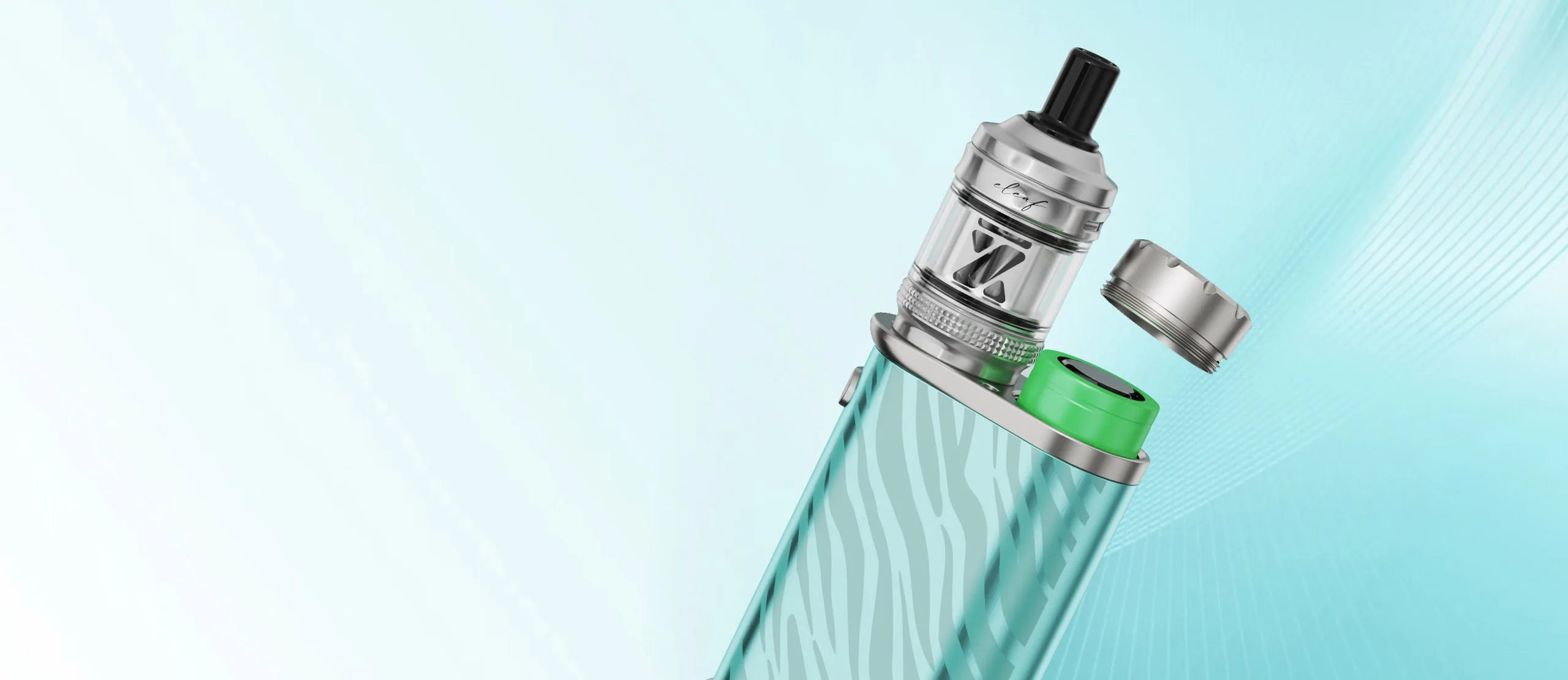
Its appeal is straightforward: a relatively small body, a removable battery, and enough flexibility for users who want to choose a compatible 510 tank. The battery is not included, so you need to source a suitable cell separately.
Worth considering if: you want a compact 18650 box mod with a familiar layout and adjustable wattage.
2. ELEAF iStick Pico LE
The ELEAF iStick Pico LE keeps the Pico formula but adds a color-block design and leather-look finish. It uses one replaceable 18650 battery, offers 1–75W output, and supports USB-C charging at 5V/2A.
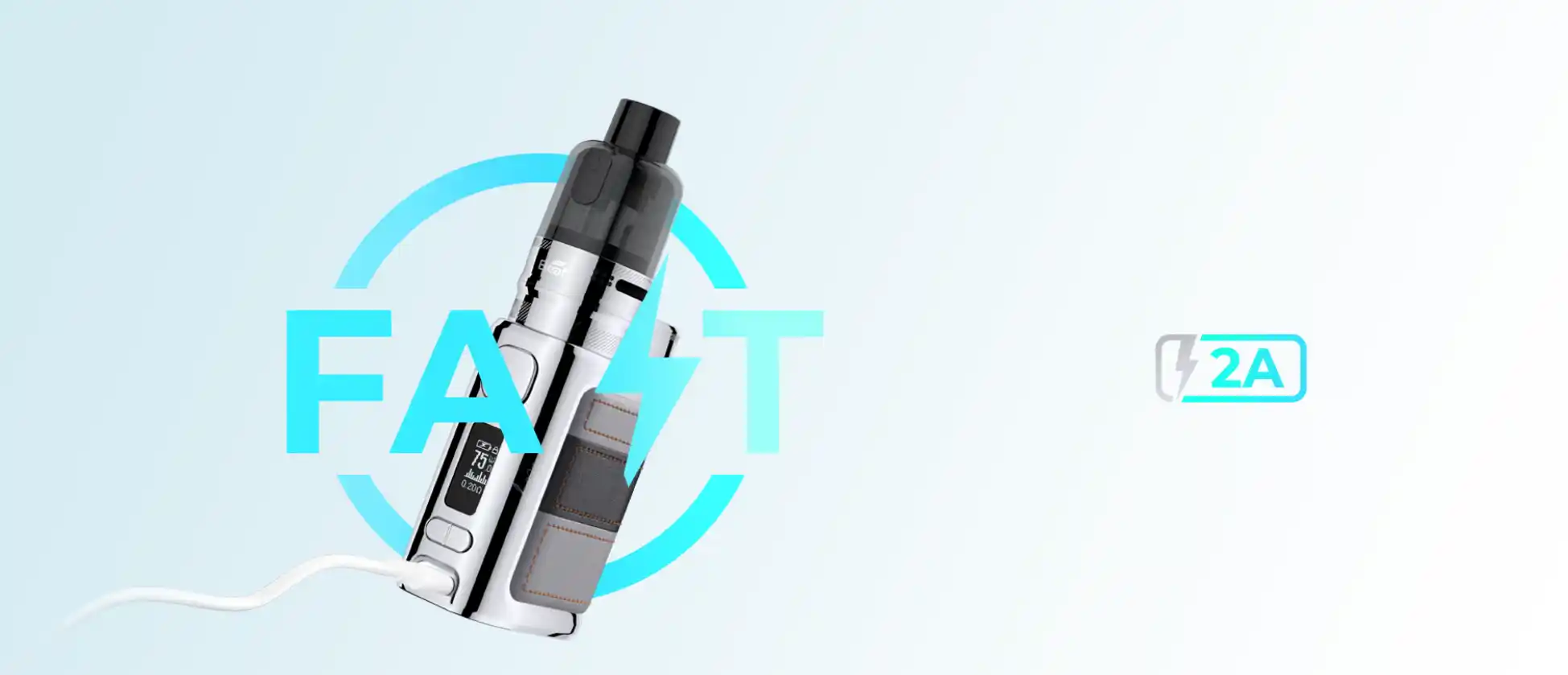
The kit version pairs the mod with the GX Tank and includes GX-K 0.2Ω and GX 0.5Ω coils. ELEAF also describes its AST-based coil protection, which stops output when the device detects insufficient e-liquid. As with any protective feature, users still need to keep the tank filled and maintain the coil correctly.
Worth considering if: you like the compact Pico format but want a different finish and the included GX Tank setup.
3. VAPORESSO GEN 80 S
The VAPORESSO GEN 80 S is another single-18650 option. Its official product listing specifies 5–80W output, a 5ml tank in the standard version, and USB-C charging at 5V/2A. The 18650 battery is not included.
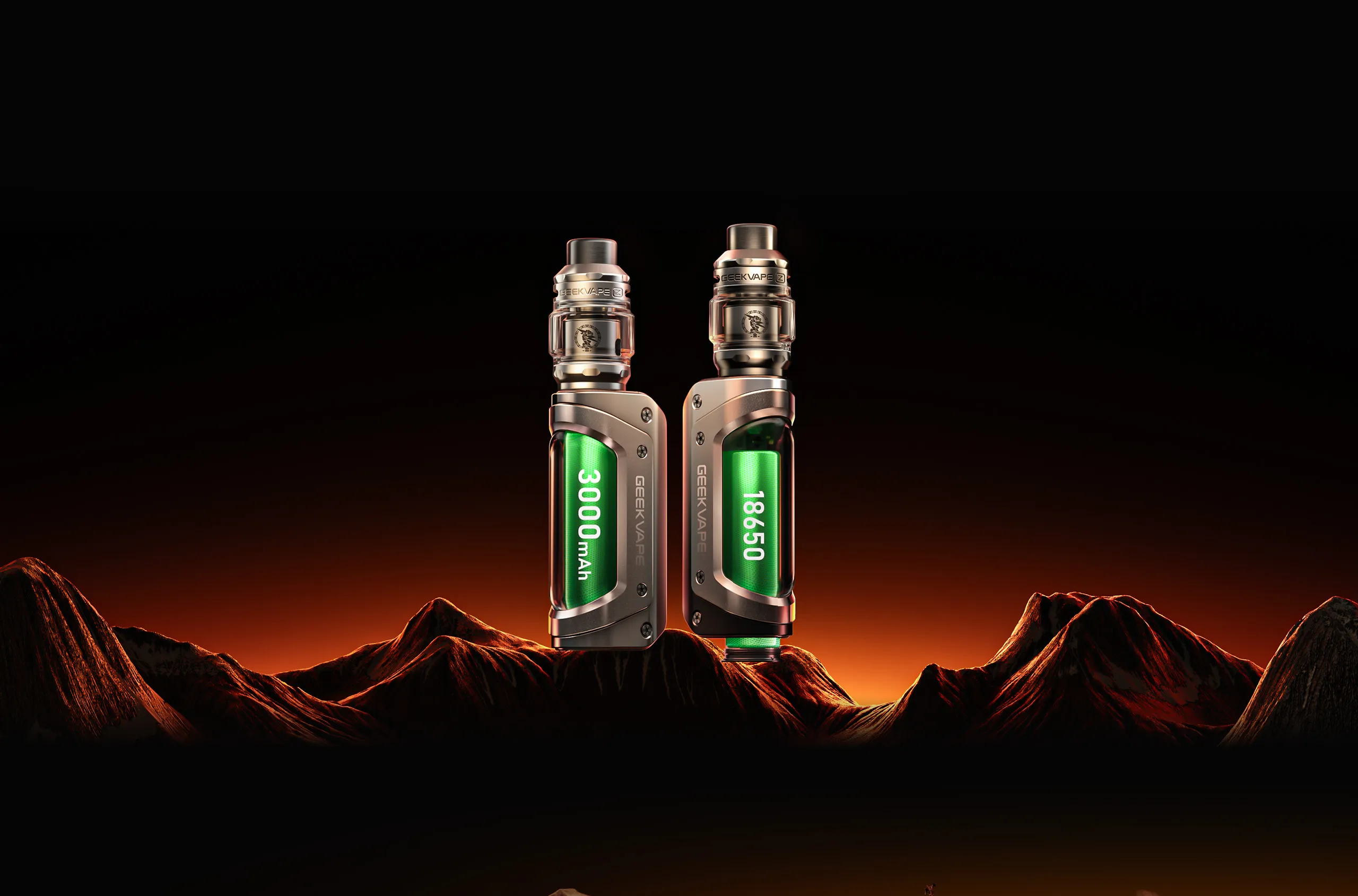
Compared with the Pico models, the GEN 80 S offers a different body and tank combination while retaining a replaceable single-cell design. Its kit lists GTi mesh coils, with recommended wattage ranges that should be followed when setting the device up.
Worth considering if: you want to compare a different manufacturer’s single-18650 kit rather than sticking to the Pico family.
4. Geekvape Aegis Solo 3 — External 18650 Version
The Geekvape Aegis Solo 3 is listed in both an external-18650 version and a built-in 3000mAh version. Make sure you select the external 18650 option if a removable battery is what you want.
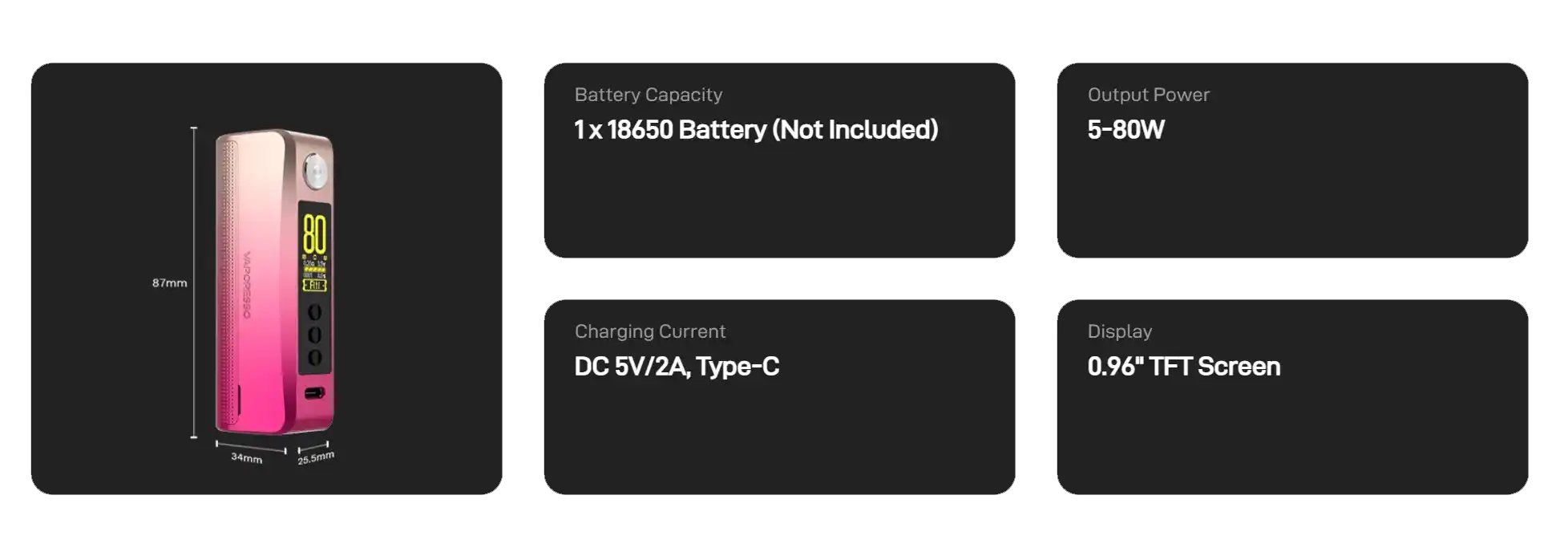
The external-battery version offers output up to 100W, USB-C charging, and several operating modes. Geekvape specifies a flat-ended 18650 battery for the external version, so confirm the cell’s physical design and compatibility before purchasing.
Worth considering if: you want a higher-output device and prefer a mod with a removable 18650 cell. The larger output range does not mean every battery is suitable; match the cell to the manufacturer’s requirements.
Before you buy: product availability and kit contents vary by region. Check the manufacturer’s current specifications, the exact battery version, tank compatibility, and included accessories. A mod that accepts an 18650 does not automatically include one.
Final Thoughts: The Right Battery Matters More Than the Number
The 18650 remains common in vaping because it offers a useful balance of size, performance, availability, and compatibility with a large range of established devices. For people who value replaceable batteries, it also makes it possible to carry a spare and replace a worn cell without automatically replacing the whole mod.
But the 18650 is not a magic format. It is not always more durable than a 21700, and a larger capacity number does not guarantee better performance. The specific cell, the demands of the mod, and the way the battery is handled matter far more than the format alone.
Whether you choose the iStick Pico Plus, Pico LE, GEN 80 S, or the external-18650 version of the Aegis Solo 3, begin with the manufacturer’s battery requirements. Choose a suitable cell, inspect it regularly, use an appropriate charger, and retire it when it shows signs of damage or abnormal behavior.
In the end, the best 18650 battery is not simply the one with the biggest capacity or boldest rating. It is a compatible, authentic cell whose specifications match your device and whose condition you can trust.
Sources and Further Reading
- ELEAF iStick Pico Plus — Official Specifications
- ELEAF iStick Pico LE with GX Tank — Official Specifications
- VAPORESSO GEN 80 S — Official Product Page
- Geekvape Aegis Solo 3 — Official Product Page
- E-Cigarette Forum — Links to 18650 Battery Tests, Part 1
- Vaping360 — 18650 Battery Guide
- Health Canada — Lithium-Ion Battery Safety
- Battery University — Safety Concerns with Lithium-Ion Batteries
FAQ
Q1 How do I find an 18650 battery that is compatible with my vape?
Start with the user manual or official product page for your exact mod. Check the recommended discharge rating, terminal design, and any manufacturer-specific instructions. Then compare those requirements with the specifications of the actual cell, not just its wrapper or advertised capacity. For example, a device may require a high-rate cell, while another may have different electrical demands. Do not assume that all 18650 batteries are interchangeable just because they share the same dimensions. If you are unsure, ask the device manufacturer or a reputable battery specialist.
Q2 What is the difference between 18650 and 21700 batteries?
An 18650 is approximately 18mm in diameter and 65mm long, while a 21700 is approximately 21mm in diameter and 70mm long. The larger format can offer greater capacity or current capability in some models, but actual performance depends on the specific cell. Only use the battery format supported by your device.
Q3 Should I choose a built-in battery or a replaceable 18650 battery vape?
A built-in battery device can be convenient because you do not need to buy and carry separate cells. You simply charge the device according to its instructions. The trade-off is that the battery is not designed to be swapped by the user, so battery degradation may eventually affect the usable life of the device.
A replaceable-18650 mod lets you change a compatible cell and carry a spare, which can be convenient for people who use their devices frequently. However, it requires more attention to battery selection, storage, charging, and inspection.
Neither option is automatically better for everyone. Consider portability, runtime, maintenance, replacement costs, and your comfort level with handling removable lithium-ion cells.
Q4 How do I know when it is time to replace my 18650 battery?
Watch for a substantial drop in runtime, unusual voltage sag, visible dents, a torn wrapper, damage around the positive terminal, leakage, or unusual heating. Physical damage or abnormal behavior is a reason to stop using the cell rather than trying to squeeze more life out of it.
Battery aging is not always visible, and a battery that looks normal may still have degraded. If performance changes significantly or you suspect damage, take the cell out of service and replace it with a compatible battery from a reputable source. Do not rely on a fixed age or cycle count alone.
Q5 What should I do if my 18650 battery gets hot?
A battery may become warm during use, but excessive or unusual heat should never be ignored. Stop using the device and disconnect it from charging if you can do so safely. Do not continue vaping to see whether the temperature settles.
If the battery is abnormally hot, swollen, leaking, hissing, or giving off an unusual smell, keep away from it and move people away from the immediate area. If it is safe to do so, keep the device away from flammable materials without handling a dangerously hot or venting cell. If there is smoke or fire, evacuate and contact emergency services. Do not attempt to carry a smoking or burning battery.
Once the situation is safe, do not reuse a cell that has overheated abnormally or shown signs of damage. Follow local guidance for safe battery disposal. For general lithium-ion safety advice, consult Health Canada’s lithium-ion battery safety guidance.
Q6 Is a higher mAh rating 18650 battery always better?
No. A higher mAh rating can indicate more capacity, but it does not automatically mean a cell can safely deliver the current required by a vape mod. Some high-capacity cells have lower discharge ratings than cells designed for higher-current use. The right choice is the cell that meets the device’s requirements, not simply the one with the largest number on its label.