USA
USA Italy
Italy France
 UK
UK Germany
 Japan
Japan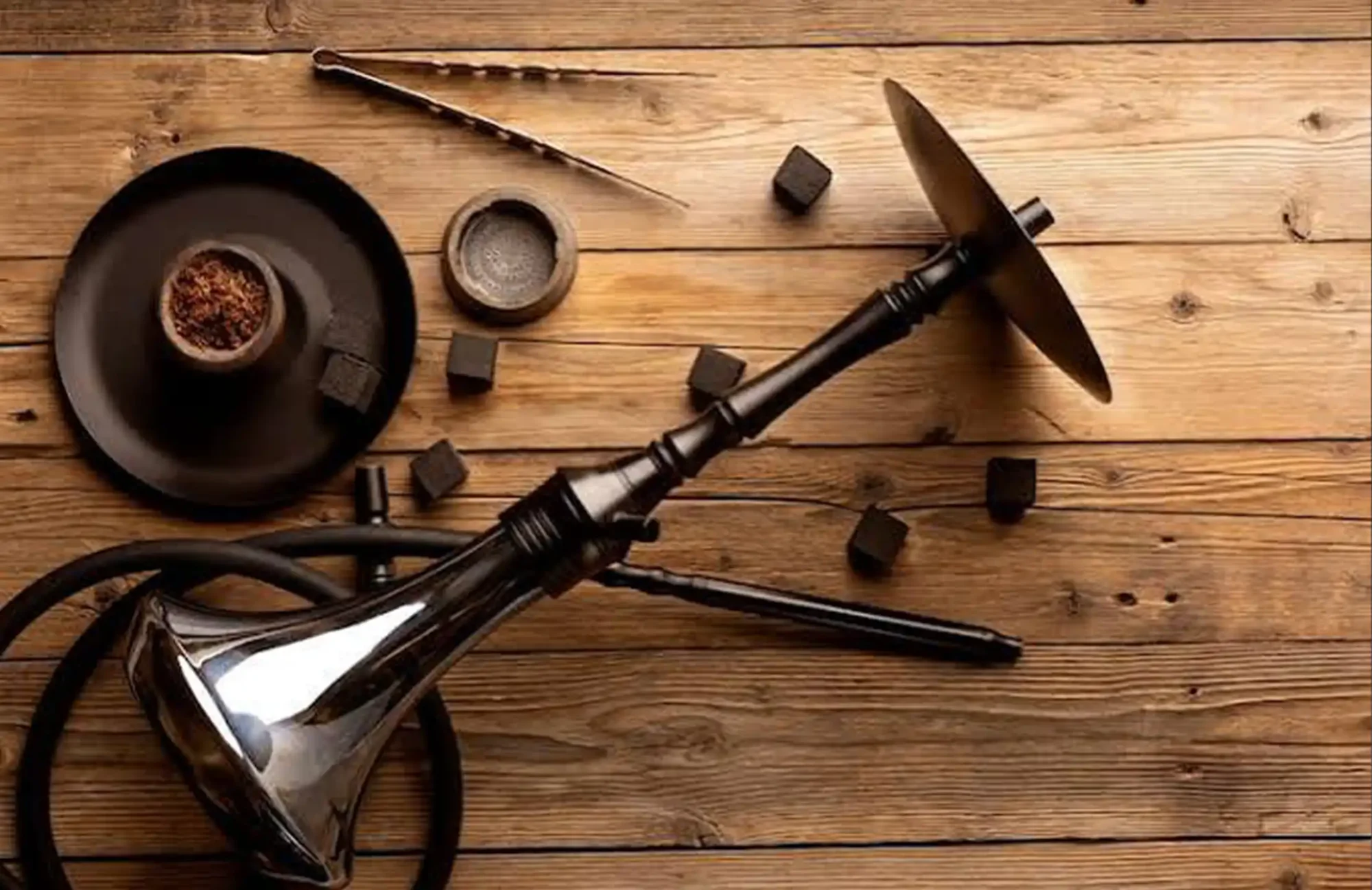
For a more convenient hookah setup, the difference often comes down to the details. The right accessories can make heat easier to manage, preparation more consistent, and the entire setup feel more refined without changing the character of the session.
From electronic heat management to the bowl, foil, mouthpiece and tongs, each accessory has a different job. Below are five pieces worth considering if you want a setup that combines practical performance with a more considered, modern look.
01. E-HMD: The Modern Approach to Heat Management
What Role Does an E-HMD Play in a Hookah Setup?
An E-HMD, or electronic heat management device, takes over one of the most demanding parts of a traditional hookah setup: producing and controlling heat. Instead of placing glowing charcoal above the bowl and adjusting the heat manually, an E-HMD uses an electrically powered heating system to provide a more controlled heat source.
This can make the preparation process more convenient because there is no need to light, rotate, replace or monitor charcoal throughout the session. For users who prefer a cleaner-looking setup and more predictable heat management, an E-HMD can also reduce some of the visual and practical clutter associated with traditional charcoal.
How Does an E-HMD Work?
The basic principle is relatively straightforward. A rechargeable battery supplies power to an internal heating element or heating plate, which transfers heat to the tobacco in the bowl. Instead of relying on the changing temperature of burning charcoal, the electronic system regulates the heating process according to its selected temperature or heating preset.
This approach separates the heat source from combustion. The user can adjust the heat according to the design of the device, while the heating surface remains positioned above the bowl in a way that allows the tobacco to be heated without placing charcoal directly on it. The exact heating method and control system vary between E-HMD designs.
How to Choose an E-HMD — Our Pick: NOCCA eHMS
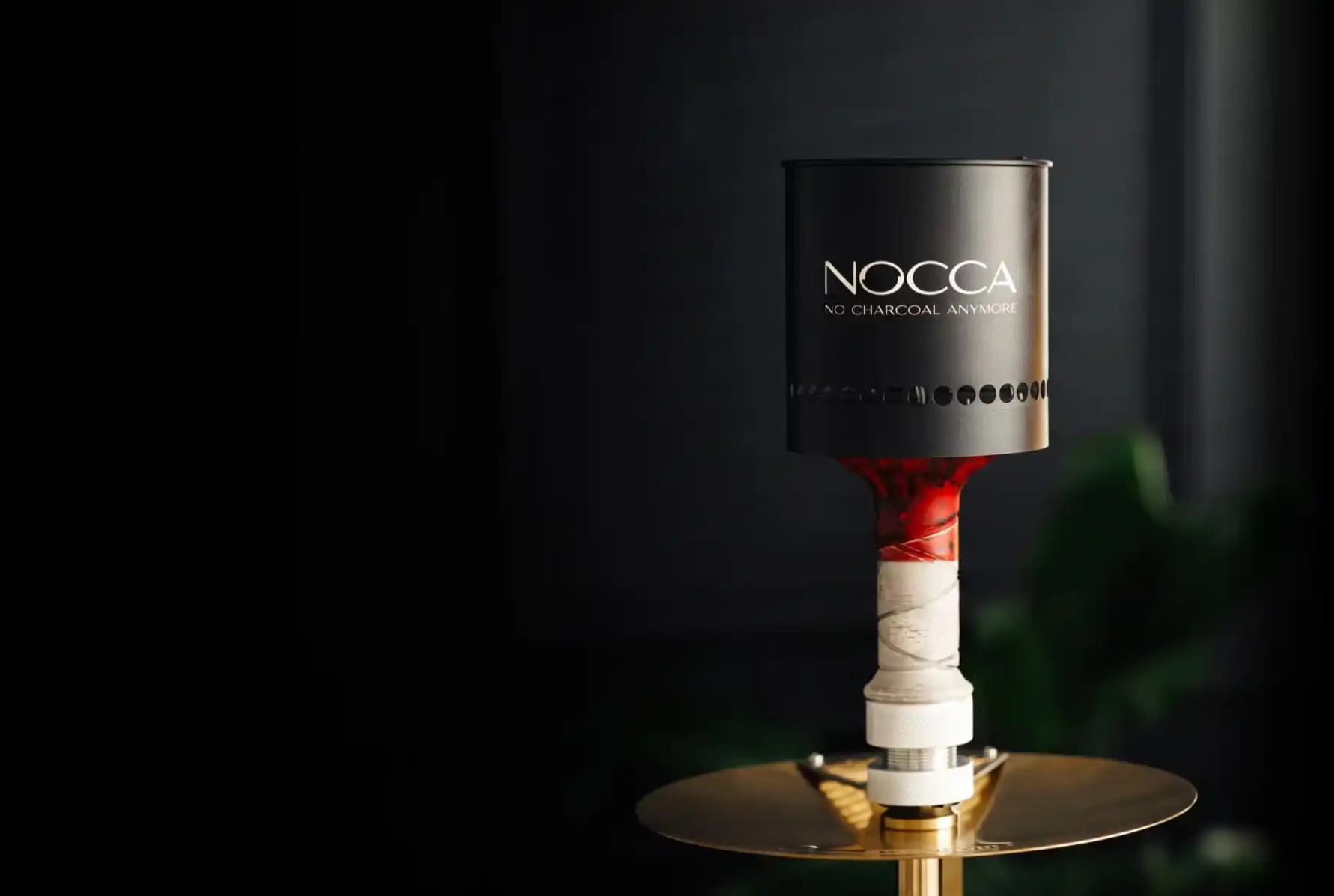
If convenience and a more modern setup are the priority, the NOCCA Electronic Heat Management System is an interesting example of how E-HMD technology can be integrated into an existing hookah. Rather than requiring a dedicated pod or refill system, NOCCA is designed to work with many existing Phunnel and Turkish-style bowls.
Its most distinctive feature is its combination of electronic temperature control and a replaceable, rechargeable battery system. NOCCA states that the device can provide up to 2 hours of stable electronic heating, is ready within approximately 10 minutes, and supports bowls up to 8.7 cm in diameter. It also uses a removable heating plate for easier cleaning. This makes it particularly interesting for users who want to keep their familiar hookah and tobacco setup while replacing charcoal with a more controlled heat source.
02. Mouthpiece: The Small Detail You Hold Throughout the Session
What Role Does a Mouthpiece Play?
The mouthpiece is the part of the hookah that comes into direct contact with the user during the session. While it does not determine the basic heating process, its shape, weight, material and connection to the hose can noticeably influence how the setup feels in the hand.
For a more refined hookah setup, the mouthpiece is also one of the easiest accessories to personalize. A long, minimalist metal mouthpiece can give a traditional hookah a much more contemporary appearance, while an ergonomic shape can make longer sessions more comfortable to handle.
How Does a Hookah Mouthpiece Work?
Air and aerosol travel from the hookah base through the hose and into the mouthpiece. The mouthpiece provides the final section of that airflow path, so its internal passage needs to remain compatible with the hose connection and allow air to pass through without unnecessary obstruction.
The construction also matters from a practical perspective. Stainless steel and anodized aluminum are commonly used because they can provide a durable surface while avoiding the feel of inexpensive painted plastic. The dimensions of the mouthpiece should also match the hose connection, particularly the inner diameter of the silicone hose.
How to Choose a Mouthpiece — Our Pick: HOOB SMPL
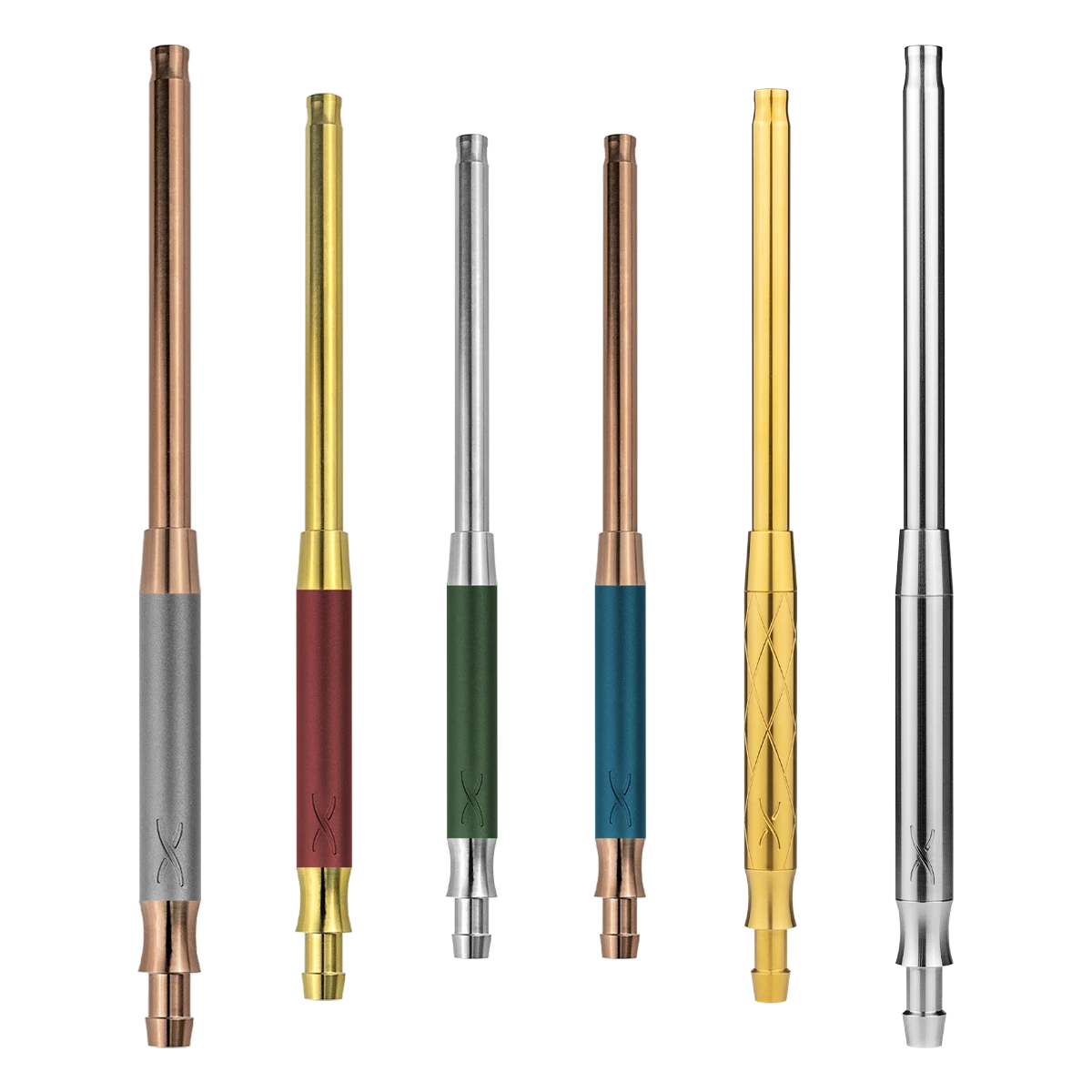
For a clean, architectural look, the HOOB SMPL is a strong example of a minimalist hookah mouthpiece. Its design avoids unnecessary decoration and instead focuses on a simple elongated form, anodized aluminum construction and stainless-steel tips.
The SMPL measures 28 cm in length and is designed for silicone hoses with a 10–11 mm inner diameter. HOOB also highlights its ergonomic design and the absence of harmful coverings such as paint. For a contemporary setup where the accessories are expected to look as intentional as the hookah itself, its restrained metal finish is one of its most attractive features.
03. Bowl: The Foundation of Heat and Tobacco Management
What Role Does the Bowl Play?
The bowl holds the shisha tobacco and sits directly beneath the heat-management system. Because it is where heat meets the tobacco, the bowl has a major influence on how heat is distributed and how the tobacco is packed and heated throughout a session.
Different bowl shapes are designed around different airflow and heat-management characteristics. A traditional Egyptian-style bowl, for example, has a different airflow structure from a Phunnel bowl. For users who want to combine a modern heat-management device with a visually distinctive setup, the bowl is therefore much more than a decorative component.
How Does a Phunnel Bowl Work?
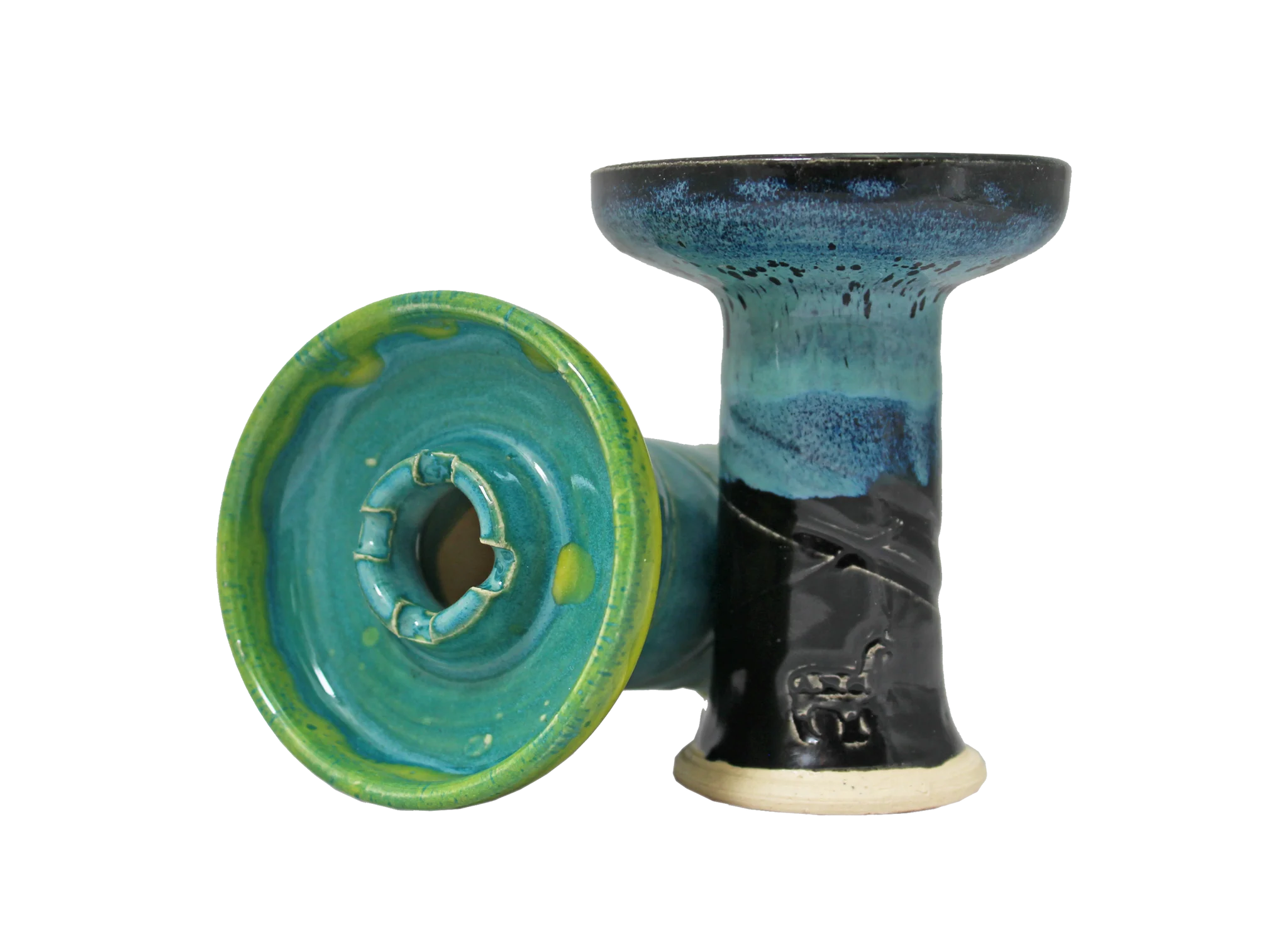
A Phunnel bowl uses a raised central spire rather than placing the main airflow opening at the bottom of the bowl. Tobacco is packed around the spire, while the central opening provides the route for air to move through the tobacco and toward the stem.
One practical advantage of this structure is that liquid from the shisha can remain within the bowl instead of immediately draining through a conventional central hole. The shape of the spire and the airflow openings also affect how evenly air moves through the tobacco. On the Alpaca Rook, notches around the spire are specifically designed to help prevent foil from being pulled down against the airflow area.
How to Choose a Bowl — Our Pick: Alpaca Rook
The Alpaca Rook stands out if you want the bowl itself to become part of the visual identity of the setup. Inspired by the shape of a chess rook, it combines a distinctive handmade appearance with a conventional Phunnel-style structure.
The standard Rook is approximately 4 inches tall and 3 inches wide at the top, with a suggested capacity of around 20–30 g. Alpaca lists its heat retention as medium and its start-up time at approximately 1 minute. It is also compatible with both Kaloud and Provost heat-management systems. For users who want a bowl that works across different heat-management methods while still looking distinctive on the table, the Rook offers a particularly recognizable design.
04. Foil: A Simple Layer That Controls the Heat Path
What Role Does Foil Play?
Hookah foil creates a physical separation between the charcoal and the tobacco while still allowing heat to pass through. In a traditional setup, the foil is stretched tightly across the top of the bowl and then perforated with a pattern of holes before the charcoal is placed above it.
That makes foil an important part of the heat-management system rather than simply a cover. Its thickness, tension and hole pattern can all affect how heat and airflow interact with the tobacco. A poorly fitted sheet can sag, tear or sit unevenly, making the heat distribution less predictable.
How Does Hookah Foil Control Heat?
Heat from the charcoal reaches the foil first, and the foil then transfers that heat toward the tobacco below. At the same time, the holes provide pathways for air to move between the charcoal area and the bowl. The size, number and arrangement of these holes therefore become part of the user’s heat-management technique.
Thickness also matters. Thicker foil is more resistant to tearing and deformation under the weight and heat of charcoal, while a tightly stretched sheet creates a more stable surface. Pre-cut foil does not fundamentally change the heating principle, but it makes preparation more consistent by removing the need to measure and cut every sheet by hand.
How to Choose Foil — Our Pick: 320° Pre-Cut Shisha Foil
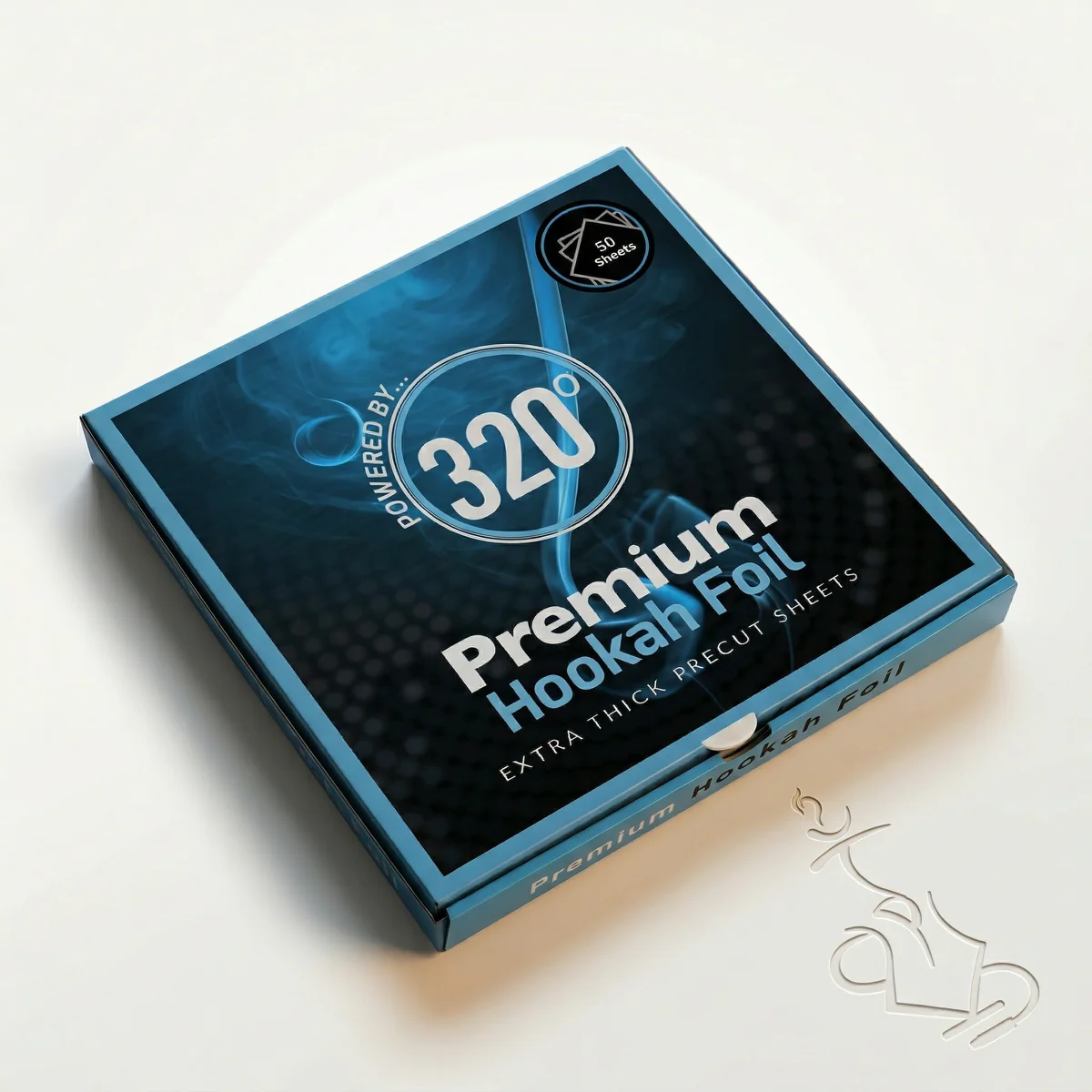
For users who prefer a clean and repeatable preparation process, The Premium Way 320° Pre-Cut Shisha Foil is designed around consistency. Instead of dealing with a roll of kitchen foil, each sheet is already cut to size and ready to stretch over the bowl.
Each sheet measures 150 × 150 mm and uses 40 µm food-grade aluminium. The pack contains 50 sheets, and the foil is deliberately supplied without pre-punched holes, allowing the user to create a hole pattern according to the bowl, tobacco and preferred heat setup. Its heavier construction is also designed to resist tearing and sagging under charcoal, making it a practical choice for users who want the preparation stage to feel more controlled and less improvised.
05. Tongs: Precision Matters When Handling Charcoal
What Role Do Hookah Tongs Play?
Hookah tongs are used to handle hot charcoal before and during a session. They allow the user to position, lift, rotate and remove charcoal without directly touching the heated pieces, making them an essential part of any traditional charcoal-based setup.
Their importance becomes particularly noticeable when heat needs to be adjusted during a session. Moving a coal toward the edge, rotating it or temporarily removing it can change the amount of heat reaching the bowl. A well-designed pair of tongs therefore needs to provide both a secure grip and enough precision to make small adjustments safely.
How Do Hookah Tongs Work?
The basic mechanism is simple: two arms create a controlled gripping force around the charcoal. The tips need to maintain enough contact with the coal to prevent it from slipping, while the handles keep the user’s hand away from the high-temperature area.
Good tongs are especially useful when working with different charcoal shapes and heat-management devices. Their tips should allow the user to pick up individual pieces without excessive movement, while the overall construction needs to remain comfortable during repeated adjustments throughout a session.
How to Choose Tongs — Our Pick: Kaloud Vestara Niris
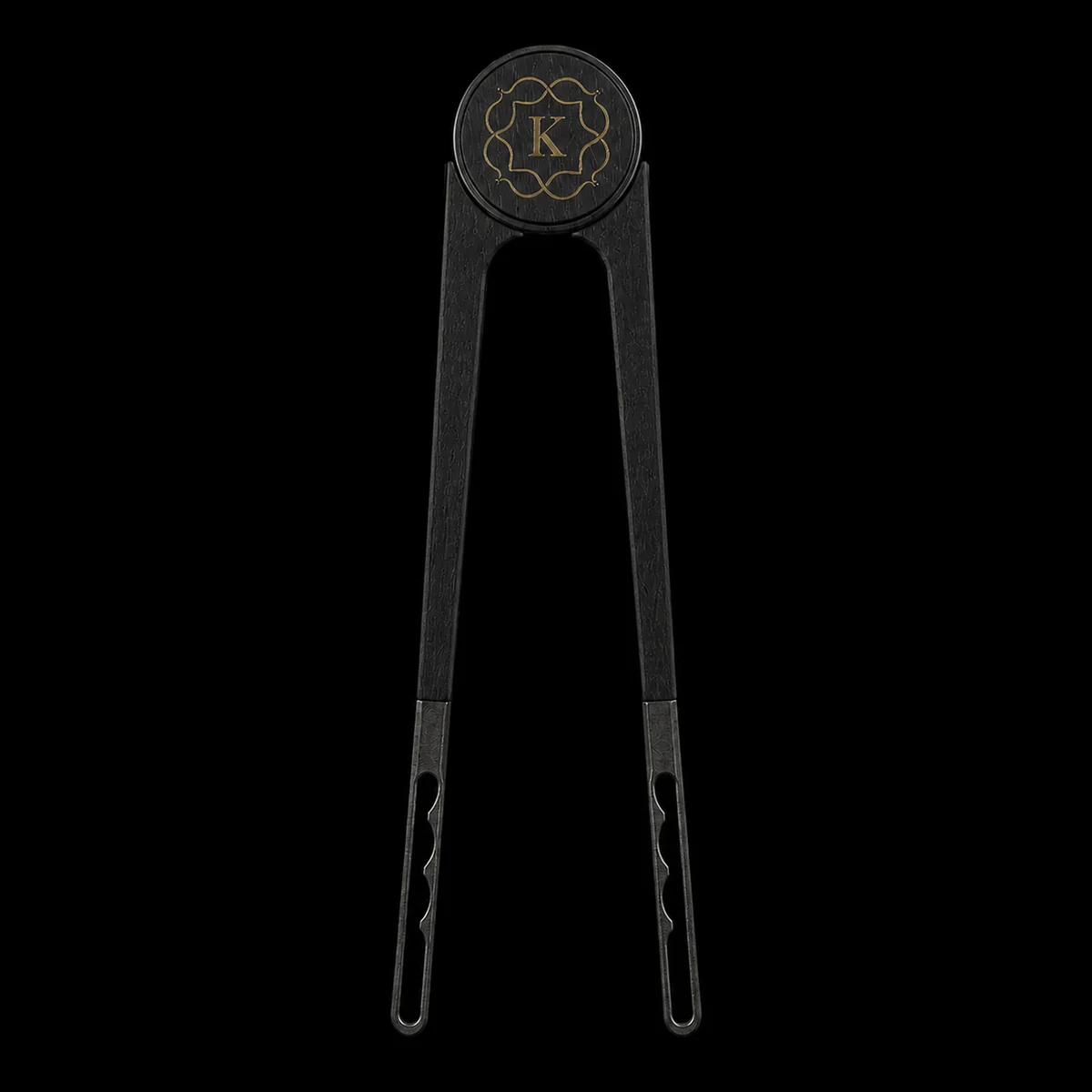
The Kaloud Vestara Niris takes a more design-conscious approach to a very functional accessory. Its most immediately recognizable feature is the matte black finish, which allows it to visually match a modern black hookah setup or other Niris-series accessories.
Kaloud describes the Vestara tongs as being designed for safely and precisely loading, lifting and rotating hot charcoal, and states that they work with any hookah or heat-management device. The Niris edition is priced at $90 on Kaloud’s official site and is positioned as part of the Vestara range rather than as a basic utility tool. For a setup where even the smallest accessories are expected to look cohesive, the matte-black finish is arguably its most distinctive feature.
A well-designed hookah setup does not necessarily need more accessories. The more important question is whether each component has a clear purpose and works well with the rest of the system. An E-HMD can simplify heat management, a suitable bowl can shape the way tobacco is heated, foil can provide a consistent heat barrier, a refined mouthpiece can improve the handling experience, and precise tongs can make charcoal adjustments easier.
Together, these five accessories show how a hookah setup can become more convenient without losing the visual character and ritual that make the experience distinctive in the first place.