



 USA
USA Italy
Italy France
 UK
UK Germany
 Japan
Japan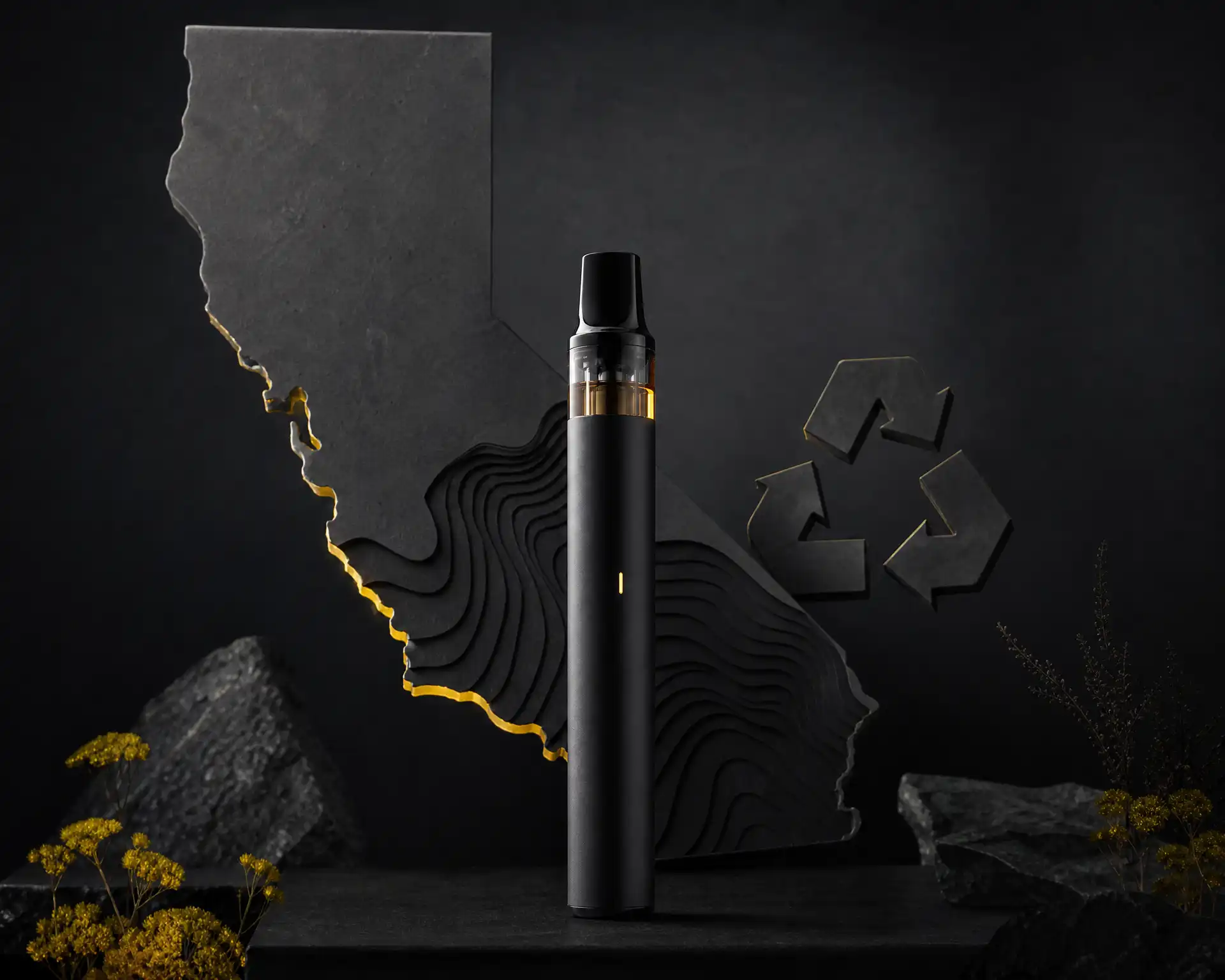
California is moving closer to a statewide ban on disposable vaping devices after lawmakers approved Assembly Bill 762, a measure that targets single-use, battery-embedded vapor inhalation devices and could significantly reshape the state’ s vaping market. The legislation comes amid growing concerns over lithium-ion battery waste, discarded electronics, and the environmental costs associated with products designed to be used briefly and then thrown away.
According to Los Angeles Times’ coverage of the bill, California lawmakers approved AB 762 after both chambers advanced the legislation, with the measure now awaiting action from Governor Gavin Newsom. If signed, the law would prohibit the sale of covered disposable vaping devices beginning January 1, 2028.
California’s AB 762 Targets Disposable Vape Devices
What Does AB 762 Actually Prohibit?
AB 762 specifically focuses on disposable, battery-embedded vapor inhalation devices rather than establishing a blanket prohibition on every type of electronic cigarette. The legislation defines the targeted products around their inability to be reused, with devices that are not refillable or not rechargeable falling within the disposable category.
The official California Legislature bill text for AB 762 provides the most important reference for understanding the proposed definition and enforcement provisions. This distinction is particularly important for consumers and retailers because a rechargeable device using a replaceable or refillable pod is structurally different from a single-use device that contains both its e-liquid and battery in a disposable unit.
When Would the California Vape Restrictions Take Effect?
The legislation does not mean that every vape product would immediately disappear from California stores. The current proposal establishes a transition period, with the sale of covered disposable devices prohibited beginning January 1, 2028 if the bill becomes law.
CBS Los Angeles reported on August 27, 2026 that the legislation had passed California’s Legislature and would require Governor Newsom’s signature before becoming law. The report also noted that violations could result in civil penalties of up to $500.
Why Are Vape Batteries at the Center of the Debate?
The Problem Goes Beyond the Plastic Shell
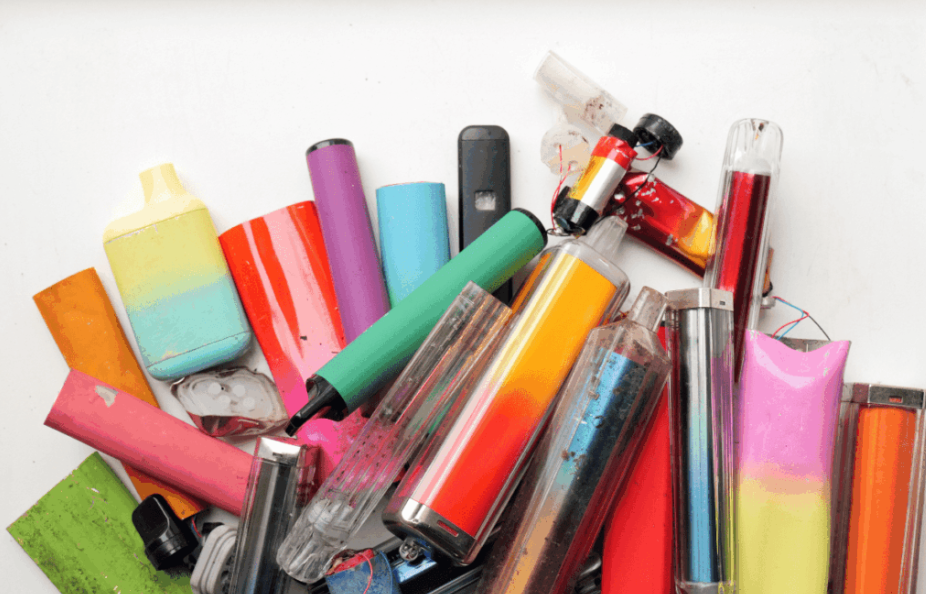
One of the central arguments surrounding the disposable vape debate is that these products are not simply small pieces of plastic waste. A typical disposable vape combines a battery, electronic components, metal parts, wiring and a liquid reservoir into a compact consumer product that is designed to be discarded after its usable life.
That creates a fundamentally different waste-management challenge from conventional packaging. When a disposable vape enters the general waste stream, its embedded vape battery can remain inside the discarded product rather than being separated for appropriate handling.
California’s Battery Waste Problem in Numbers
California’s broader battery-waste data illustrates why lithium-ion products have become an increasingly important issue for waste-management authorities. According to CalRecycle’s official Battery Stewardship data, an estimated 7,294 tons of batteries are improperly disposed of in California landfills every year.
CalRecycle also states that batteries are the top cause of fires in California’s waste facilities, while the state uses approximately 822 million batteries annually. These figures do not represent disposable vapes specifically, but they provide important context for understanding why products containing small lithium-ion batteries have attracted increasing regulatory attention.
How Much of California’s Battery Waste Is Actually Recycled?
Official Recycling Data Shows a Complicated Picture
There is an important distinction between battery recycling data and disposable vape recycling data. California currently publishes statewide information about rechargeable battery collection and recycling, but there is not yet an official statewide recycling-rate figure specifically identifying how many disposable vape batteries are recovered and recycled.
The California Department of Toxic Substances Control’s rechargeable battery recycling data shows that approximately 402,007 pounds of lithium-ion batteries were recycled in California in 2025. Across lithium-ion, nickel-cadmium, nickel-metal hydride and small sealed lead-acid batteries, the reported total was approximately 998,548 pounds.
However, the same official source notes that the 2025 figures dropped significantly compared with previous years and that the numbers were confirmed by battery recyclers. This makes the data useful for illustrating the scale of battery recycling, but it should not be presented as the recycling rate of disposable vapes.
Why Disposable Vape Recycling Is Difficult to Measure
Disposable vape waste represents a particularly difficult category to measure because the products can enter ordinary household garbage, recycling streams, litter collection systems or specialized battery and e-waste channels. In addition, the battery is normally integrated into the device rather than being sold as a separate component.
California’s existing battery regulations demonstrate the broader direction of state policy. The California Department of Toxic Substances Control’s battery guidance explains the state’s expanding framework for battery collection and end-of-life management, while CalRecycle is developing additional requirements under the Responsible Battery Recycling Act.
From Disposable Vape to Reusable Vape: What Changes?
Rechargeable Batteries Can Extend Device Lifespan
The most significant difference between a disposable vape and a reusable vaping device is the relationship between the battery and the rest of the product. A disposable vape is generally designed around a single-use lifecycle, meaning the entire device is discarded once the battery or e-liquid is exhausted.
A reusable device, by contrast, can remain in service while the user replaces or refills the consumable component. From a product-design perspective, this separates the longer-lived electronic hardware from the shorter-lived pod or cartridge and potentially reduces the frequency with which an entire battery-containing device enters the waste stream.
Open Pod System and Refillable Pod Designs
This is where an open pod system or refillable pod becomes relevant to the discussion. Instead of discarding the complete electronic device after the e-liquid has been consumed, users can retain the rechargeable hardware and replace or refill the pod according to the product’s design.
The distinction is also reflected in recent reporting about AB 762. The Los Angeles Times reported that devices designed to be refillable or use replaceable pods and equipped with rechargeable batteries would fall outside the disposable-device definition described by the legislation.
What AB 762 Could Mean for California Vape Retailers
A Shift in Product Categories
If AB 762 becomes law as currently written, California retailers may need to reconsider the role of disposable products within their product portfolios. The change would not simply remove one category from store shelves; it could accelerate a broader transition toward rechargeable hardware, refillable pods and other reusable vaping formats.
For retailers, this could mean greater emphasis on devices that can remain in use for longer periods, together with compatible pods, replacement components and charging accessories. The transition could also encourage manufacturers to reconsider how battery-containing products are designed, packaged and managed at the end of their useful life.
The Industry Debate Is Not Over
The legislation has also generated criticism from parts of the vaping industry, which argues that disposable and other vaping products are used by adults seeking alternatives to combustible cigarettes. The debate therefore extends beyond waste management and includes questions about adult access, product regulation, public health and the potential consequences of restricting one category of nicotine products.
CBS Los Angeles’ report noted arguments from supporters concerning battery-related waste and environmental hazards, while industry representatives have raised concerns about restricting adult access to vaping products.
Could Reusable Vape Technology Become the Next Step?
Why Open Pod Systems Are Getting More Attention
The proposed California restrictions could give greater visibility to reusable formats such as the open pod system, particularly devices built around rechargeable batteries and replaceable or refillable pods. Rather than treating the entire vape as a consumable product, these systems separate the reusable electronic hardware from the component that contains the e-liquid.
This does not mean that reusable vaping products have zero environmental impact. Pods, coils, packaging, batteries and other components still require appropriate disposal or recycling. However, the product architecture creates an opportunity to reduce the number of complete battery-powered devices that are discarded during normal use.
Refillable Pod Systems and the Future of Vape Product Design
The broader discussion surrounding AB 762 may therefore be less about the disappearance of vaping products and more about the direction in which vaping hardware evolves. A shift from single-use products toward rechargeable devices with refillable pod or replaceable-pod configurations could change how manufacturers approach battery life, product durability, component replacement and end-of-life management.
For the California vape market, the coming years could become an important test of whether reusable product architectures can offer consumers a practical alternative while addressing some of the waste and battery-management concerns that have placed disposable products under increasing regulatory pressure.
Conclusion: California’s Vape Market Is Entering a New Phase
California’s AB 762 represents one of the clearest recent attempts in the United States to regulate disposable vaping products specifically around their single-use design and embedded batteries. The legislation has already passed the state’s Legislature, but it is important to note that the proposed restrictions are not yet the same as a final statewide ban until the bill is signed into law.
At the same time, California’s official battery data shows that battery waste is already a significant waste-management issue, with thousands of tons of batteries improperly entering landfills each year and batteries identified as a leading cause of fires in waste facilities. These figures do not establish a specific recycling rate for disposable vapes, but they provide a clear picture of the larger battery-waste problem surrounding modern electronic products.
As California considers the future of the disposable vape, the industry may increasingly move toward rechargeable hardware, open pod system designs and refillable pod platforms. Whether this transition ultimately produces a meaningful reduction in waste will depend not only on product design, but also on consumer behavior, collection infrastructure and effective battery recycling programs.
Sources:
- California Legislature — AB 762 Official Bill Text
- Los Angeles Times — California Moves to Outlaw Disposable Vapes
- CBS Los Angeles — California Lawmakers Pass Ban on Disposable Nicotine Vapes
- California DTSC — Rechargeable Battery Recycling Data
- CalRecycle — Battery Stewardship
- CalRecycle — SB 1215 Covered Battery-Embedded Products